Filtered, Framed, and Fixated: How Social Media Is Rewriting America's Dental Wish List
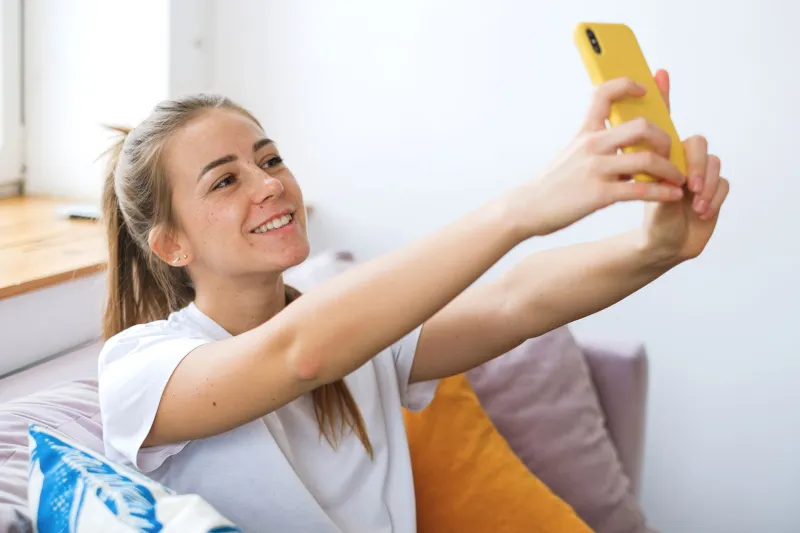
There was a time when the benchmark for a desirable smile was largely set by Hollywood — a handful of celebrities whose gleaming teeth appeared on magazine covers and movie screens. That era has not disappeared, but it has been dramatically complicated. Today, the average American encounters hundreds of smile-focused images every single day, scrolling through platforms that algorithmically reward visual perfection and reward it generously. The effect on dental patient behavior has been profound, measurable, and in some ways, genuinely surprising.
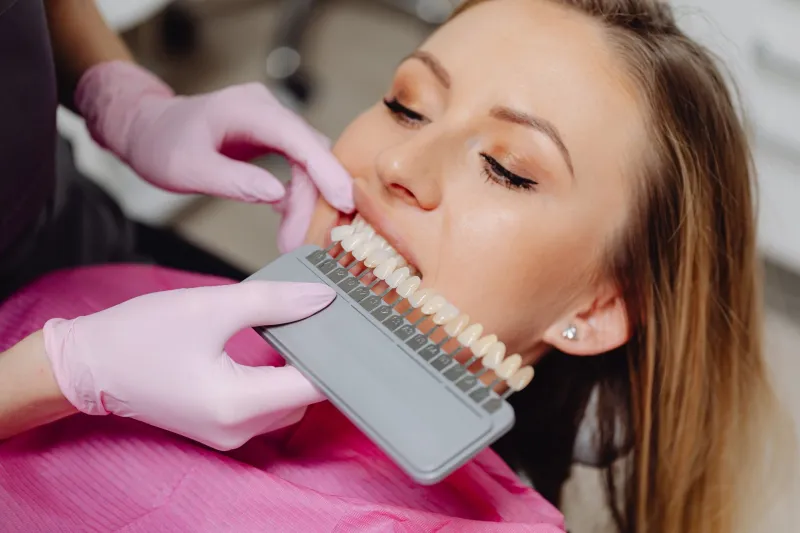
At RAK Dental Clinic, we work with patients who arrive with specific aesthetic goals shaped not by a single celebrity they admire, but by a composite image assembled from thousands of social media posts, filtered selfies, and short-form video content. Understanding where those goals come from — and how to honor them responsibly — has become one of the defining challenges of modern cosmetic dentistry.
The Anatomy of a New Aesthetic Standard
Social media platforms have done something that no previous medium accomplished quite so thoroughly: they have made ordinary people the subjects of their own aesthetic scrutiny. When you post a photograph or appear in a video, you are not simply sharing a moment — you are presenting a version of yourself for public evaluation. Smiles, in that context, become a focal point in a way they never were when photographs were taken only occasionally and rarely shared beyond a family album.
The result is a new set of aesthetic expectations that differ meaningfully from those of previous generations. Patients in their twenties and thirties — the demographic most deeply immersed in social media culture — frequently arrive with requests that reflect a highly specific visual vocabulary. They want teeth that are straight without appearing artificially uniform. They want whiteness that reads as natural rather than theatrical. They want what might be called an "effortless" smile: one that looks polished on camera but does not announce itself as cosmetically enhanced.
This is, in many ways, a more sophisticated set of demands than the maximalist aesthetics that characterized cosmetic dentistry in earlier decades. The porcelain veneer transformations of the early 2000s — blindingly white, perfectly symmetrical, and unmistakably artificial — have given way to a preference for subtler refinement. Social media, paradoxically, has both raised the stakes and shifted the goalposts toward naturalism.
The Filter Effect and Its Complications
Not every influence social media exerts on dental expectations is straightforward or healthy. One of the more complex phenomena dental professionals encounter is what might loosely be called the "filter effect" — the psychological dissonance that arises when patients have spent years viewing their own faces through smoothing, brightening, and reshaping digital filters.
Platforms such as Snapchat, Instagram, and TikTok have built filter ecosystems that routinely alter the appearance of teeth, making them appear whiter, more evenly spaced, and more prominent. When patients view these filtered versions of themselves repeatedly over months and years, those images can begin to feel like the authentic version — and the unfiltered reflection in the mirror can feel like a distortion by comparison.
This creates a clinical and ethical responsibility for dental providers. A patient who arrives requesting treatment to match a filtered self-image may be pursuing a goal that no dental procedure can realistically achieve, because the goal is not rooted in physical reality. At practices like RAK Dental Clinic, part of the consultation process involves helping patients distinguish between achievable aesthetic improvement and digitally constructed ideals. That conversation requires both clinical knowledge and genuine empathy.
Influencer Culture and the Democratization of Cosmetic Treatment
One undeniable benefit of social media's influence on dental culture is the degree to which it has normalized cosmetic treatment among demographics that previously considered it inaccessible or unnecessary. Influencer disclosures about teeth whitening, clear aligner treatment, and cosmetic bonding have contributed to a broader cultural understanding that aesthetic dental care is not reserved for the wealthy or the famous.
The "smile reveal" format — in which a content creator documents their treatment journey and unveils the result to their audience — has become a reliable genre of health and beauty content. These posts and videos serve a genuine educational function, introducing viewers to procedures they may not have known existed and demystifying the treatment process. For many Americans, an influencer's candid account of their aligner experience is the first detailed information they have ever encountered about orthodontic options.
This democratization has real value. Patients who arrive at a dental office already familiar with the basics of a procedure tend to have more productive consultations, ask more informed questions, and experience less anxiety about the unknown. Social media, in this sense, has become an informal but influential patient education channel.
What Dental Practices Are Doing Differently
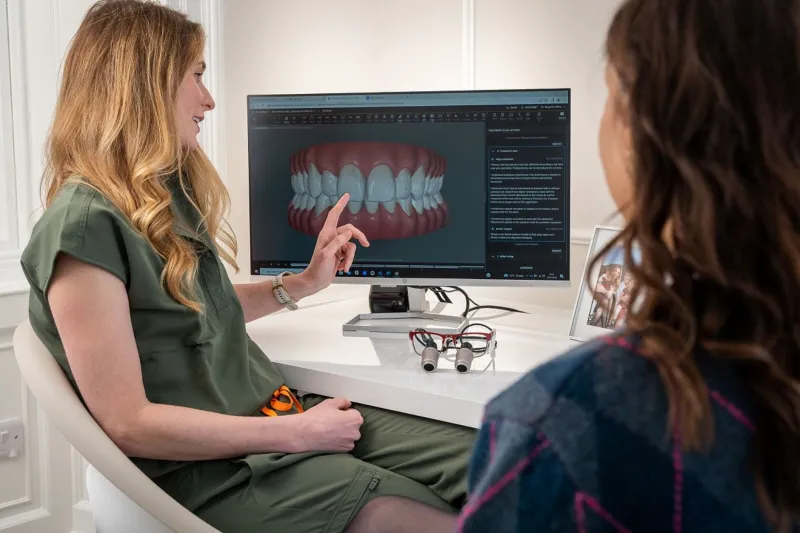
The shift in patient expectations has prompted meaningful changes in how dental practices approach cosmetic consultations. Visual communication tools have become increasingly important — digital smile design software allows patients to preview potential outcomes before any treatment begins, bridging the gap between a patient's mental image (often shaped by social media) and what clinical reality can deliver.
Many practices have also developed more nuanced intake processes that include questions about a patient's aesthetic goals and the sources of those goals. Understanding whether a patient is seeking improvement relative to their own baseline, or attempting to replicate something they saw online, shapes the entire direction of the consultation.
At the same time, there is growing emphasis within the profession on patient education around the limits of cosmetic treatment. Healthy teeth and gums remain the foundation upon which any aesthetic work must be built. A patient who arrives with a social media-inspired wish list but has underlying periodontal concerns will need to address those concerns first — a clinical reality that responsible providers communicate clearly and compassionately.
Maintaining Perspective in a Visually Saturated Culture
The relationship between social media and dental aesthetics is neither entirely positive nor entirely problematic. It is, like most cultural forces, genuinely mixed. The platforms that have raised anxiety about smile appearance have also raised awareness about available treatments. The filters that distort self-perception have also inspired patients to seek improvements they might never have considered otherwise.
What matters most is that patients approach cosmetic dental goals with accurate information and realistic expectations — and that dental providers meet them with both clinical expertise and honest guidance. A beautiful, healthy smile is an achievable goal for most patients. It simply may not look exactly like a filtered photograph, and that distinction, thoughtfully communicated, is one of the most valuable things a dental professional can offer.
If social media has changed what Americans want from their teeth, the role of a trusted dental practice is to help patients want the right things — and then deliver them with skill and care.