Sip, Stain, Repeat: The Real Science Behind Beverage-Stained Teeth and What Dentists Actually Recommend

For millions of Americans, the morning ritual is sacred: an alarm sounds, coffee brews, and the day begins. That first cup is practically non-negotiable. Yet for all the comfort it provides, coffee—along with tea, red wine, and a surprising range of everyday foods—contributes to one of the most common cosmetic concerns patients bring to their dentists: tooth discoloration.
The good news is that staining is not a permanent sentence. The better news is that understanding why it happens puts you in a far stronger position to address it effectively—and to distinguish genuine solutions from the marketing noise crowding drugstore shelves.
Why Teeth Stain in the First Place
Tooth enamel, despite feeling smooth to the touch, is microscopically porous. Under magnification, it resembles a surface riddled with tiny channels and ridges. Pigment-rich compounds called chromogens—found in coffee, black tea, red wine, berries, tomato-based sauces, and even soy sauce—are small enough to penetrate these microscopic grooves and bond with the enamel over time.
Compounding this is a substance called tannin, a naturally occurring plant polyphenol present in coffee and wine. Tannins act almost like a molecular adhesive, making it significantly easier for chromogens to latch onto the tooth surface. Acidic beverages present a separate but related problem: acid temporarily softens enamel, widening those porous channels and making the surface even more receptive to staining agents.
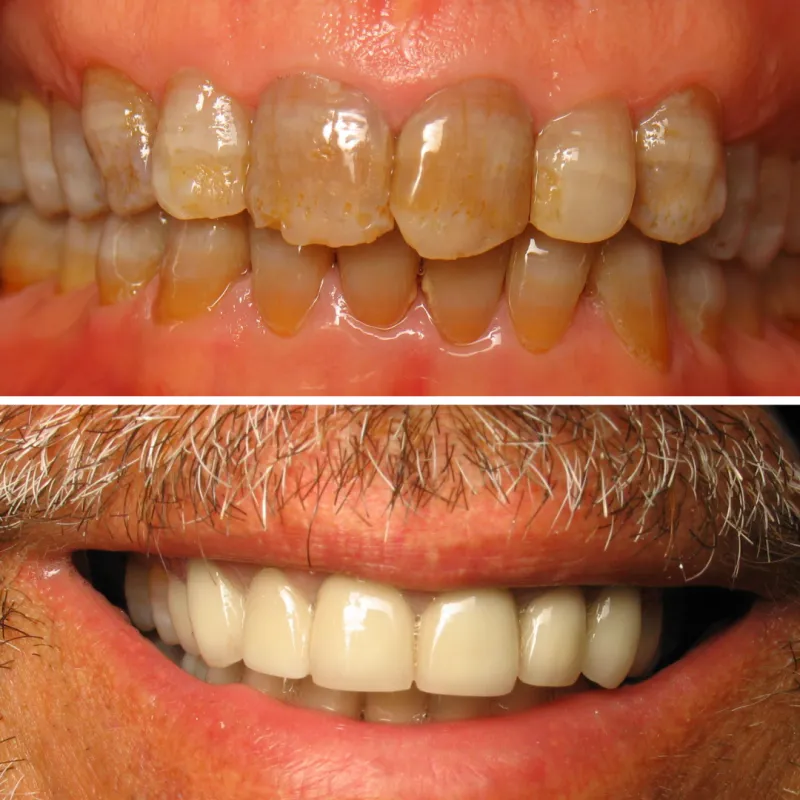
There is also a distinction worth understanding between extrinsic and intrinsic staining. Extrinsic stains sit on the outer surface of the tooth and are generally more responsive to whitening treatments. Intrinsic discoloration originates from within the tooth structure itself—often caused by certain medications (tetracycline being a well-known example), excessive fluoride exposure during childhood, or trauma—and requires more specialized clinical intervention.
The Myths That Are Wasting Your Time and Money
Walk down the oral care aisle of any American pharmacy and you will encounter an overwhelming array of whitening strips, toothpastes, charcoal powders, and LED kits, each promising a dramatically brighter smile. Before reaching for any of them, it is worth separating fact from fiction.
Whitening toothpastes primarily work through mild abrasives that polish away surface stains. They do not contain bleaching agents in meaningful concentrations, and while they can produce modest improvements in surface brightness, they will not alter the underlying shade of your enamel.
Activated charcoal products have attracted considerable attention in recent years, but dental professionals urge caution. Charcoal is abrasive by nature, and repeated use risks wearing down enamel—the very structure you are trying to protect. The American Dental Association has not approved any charcoal-based dental product for whitening, and the long-term implications of daily use remain a legitimate concern.
Over-the-counter whitening strips represent a more credible option within the at-home category. Products containing hydrogen peroxide or carbamide peroxide can produce visible results, particularly for mild extrinsic staining. However, the concentration of active ingredients in OTC products is intentionally limited by regulation, meaning results are modest and often temporary compared to professionally administered treatments.
Oil pulling, a practice rooted in Ayurvedic tradition, has also gained popularity as a purported whitening method. While swishing oil may have some benefit for oral hygiene broadly, there is no credible clinical evidence supporting its effectiveness as a whitening agent.
What Professional Whitening Actually Delivers
In-office whitening treatments use significantly higher concentrations of bleaching agents—typically hydrogen peroxide in the range of 25 to 40 percent—applied under controlled clinical conditions. The process allows dentists to protect gum tissue, monitor sensitivity, and ensure even application across all visible surfaces. Most patients experience a noticeable improvement of several shades in a single appointment.
For patients who prefer a more gradual approach, professionally dispensed take-home kits offer a compelling middle ground. These involve custom-fitted trays fabricated from impressions of your teeth, paired with a prescription-strength whitening gel. Because the trays conform precisely to your dental anatomy, the gel remains in consistent contact with each tooth surface—an advantage that generic strip-style products simply cannot replicate.
It is worth noting that whitening treatments, whether professional or over-the-counter, do not affect the color of dental restorations such as crowns, veneers, or composite bonding. Patients with existing restorations should discuss timing and sequencing with their dentist before beginning any whitening regimen to ensure a uniform result.
Real Patients, Practical Strategies
Consider a scenario familiar to many dental patients: a professional in her mid-forties who drinks two to three cups of coffee daily and notices her smile appearing progressively more yellow in photographs. After an in-office whitening session followed by a custom take-home maintenance kit, she achieves a result she is genuinely pleased with. Her dentist advises rinsing with water after each cup of coffee, using a straw when possible, and scheduling a brief touch-up treatment every six to twelve months.
Or consider a patient in his early thirties who enjoys red wine regularly and has tried multiple over-the-counter strips with inconsistent results. A professional cleaning to remove accumulated surface deposits, followed by an in-office whitening treatment, produces the consistent brightness the strips could not. His dentist also notes that waiting thirty minutes before brushing after consuming acidic beverages—rather than brushing immediately—helps preserve enamel integrity over time.
These scenarios illustrate an important principle: whitening is not a one-time event but an ongoing aspect of cosmetic dental maintenance. Patients who achieve the best long-term results are those who combine professional treatment with sensible daily habits.
Protecting Your Investment
Once you have achieved a brighter result, maintaining it requires relatively modest effort. Drinking staining beverages through a straw reduces direct contact with tooth surfaces. Rinsing with water immediately after consuming coffee, tea, or wine can help flush chromogens before they settle. Staying current with professional cleanings—typically every six months—removes accumulated surface deposits before they become entrenched.
Dietary awareness also plays a role. Foods with deeply saturated pigments, such as blueberries, beets, and dark sauces, contribute to staining over time. This does not mean eliminating them—nutritional value and personal enjoyment matter—but being mindful and rinsing after consumption is a practical habit that pays dividends.
The Dentist's Role in Long-Term Brightness
Perhaps the most important takeaway is this: achieving and sustaining a brighter smile is not something best left to chance or to a drugstore shelf. A dentist can assess the nature and cause of your discoloration, identify any underlying issues that might complicate treatment, and recommend a whitening approach calibrated to your specific situation.
At RAK Dental Clinic, cosmetic consultations are an opportunity to develop a personalized plan—one that accounts for your lifestyle, your existing restorations, and your goals. Because a truly bright smile is not just about aesthetics; it reflects the kind of comprehensive, attentive care that keeps your oral health at its best for years to come.
Your morning coffee does not have to be the enemy of your smile. With the right professional guidance, you can enjoy the rituals you love while keeping your teeth looking their healthiest.