Month by Month: A Patient's Realistic Guide to a Complete Smile Makeover
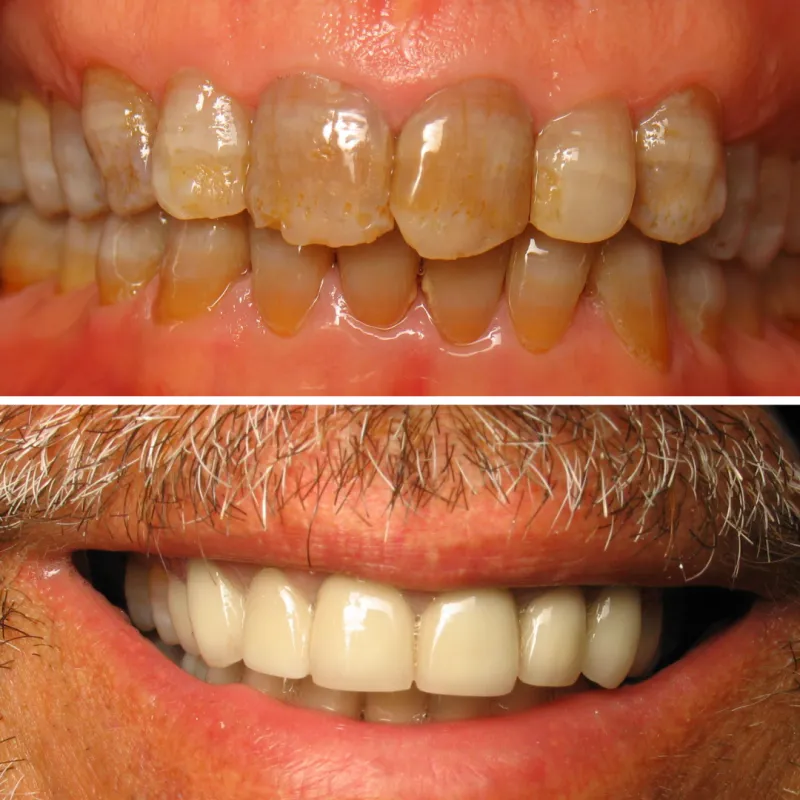
Photo: dental patient consultation smile transformation before after treatment plan, via ellicottmillsdental.com
Deciding to pursue a complete smile transformation is rarely a single decision made in a single afternoon. For most patients, it is the culmination of years of wishing, researching, and finally summoning the resolve to take action. What often surprises people, however, is just how much unfolds between that first consultation and the moment they see their finished smile in the mirror. The journey is real, it takes time, and it is absolutely worth understanding before you begin.
At RAK Dental Clinic, we believe that an informed patient is a confident patient. The following timeline reflects the typical experience of someone undergoing multiple dental treatments—whether that includes whitening, veneers, crowns, implants, or orthodontic work—over the course of twelve months.
Month One: The Consultation and Comprehensive Evaluation
Your transformation begins long before any procedure takes place. During the initial consultation, your dentist conducts a thorough examination that goes well beyond a standard checkup. Digital X-rays, intraoral photographs, and in many cases 3D imaging are used to build a complete picture of your oral health. Gum tissue health, bite alignment, bone density, and the condition of existing restorations are all assessed at this stage.
This is also when your dentist listens—carefully—to what you hope to achieve. Are you bothered by discoloration? Do chipped or uneven teeth affect your confidence in professional settings? Do you have missing teeth that affect your ability to chew comfortably? Your answers shape the treatment plan that follows.
Expect this appointment to last between sixty and ninety minutes. A written treatment proposal, including sequencing and cost estimates, is typically provided within one to two weeks.
Practical tip: Bring a list of questions and, if possible, reference photos of smiles you admire. These give your dentist a clearer sense of your aesthetic goals.
Months Two and Three: Foundational Work Comes First
One of the most important things patients learn early in the process is that cosmetic work cannot be placed on an unhealthy foundation. If gum disease, untreated cavities, or bite problems exist, they must be addressed before any aesthetic procedures begin. This phase may include deep cleaning (scaling and root planing), cavity restorations, or tooth extractions if necessary.
For patients who are candidates for dental implants, the implant post is typically placed during this window. Because implants require a healing period—often three to six months—placing them early in the timeline ensures they are ready when the cosmetic phase begins.
This stage can feel slow, particularly for patients eager to see visible changes. However, skipping or rushing foundational work significantly increases the risk of future complications and additional expense.
Practical tip: Use this phase to finalize your financing arrangements if applicable. Many dental offices, including those offering comprehensive care plans, work with third-party financing options to help spread costs over time.
Months Three Through Six: Orthodontic and Structural Adjustments
If your treatment plan includes orthodontic correction—whether through clear aligners or another method—this phase begins once your oral health baseline is stable. Straightening teeth not only improves aesthetics but also creates a healthier bite and makes future restorations more precise and durable.
For patients receiving porcelain veneers or crowns, preliminary impressions and shade matching often occur during this window. Temporary restorations may be placed to allow patients to preview the final result and provide feedback before permanent pieces are fabricated.
This is also when many patients begin to notice meaningful changes for the first time. The combination of healthier gums, corrected alignment, and preliminary restorations creates a visible improvement that motivates continued commitment to the process.
Practical tip: Maintain impeccable oral hygiene during this phase. Temporary restorations and orthodontic appliances create additional surfaces where plaque can accumulate, and gum inflammation at this stage can delay subsequent procedures.
Months Six Through Nine: The Cosmetic Phase Begins in Earnest
With the foundation firmly in place, your dentist can now focus on the aesthetic elements of your transformation. Porcelain veneers, dental crowns, implant crowns, and professional whitening treatments are typically completed during this period.
Veneers, which are thin shells of porcelain bonded to the front surface of the teeth, are among the most dramatic cosmetic interventions available. The process generally requires two to three appointments: one for tooth preparation and temporary placement, and one or two for final bonding and adjustment. Crowns follow a similar protocol.
For patients whose implants were placed in months two or three, the implant crown is now attached to the healed post, completing the restoration of any missing teeth.
Professional whitening, if included in the plan, is often performed just before or alongside other cosmetic work to ensure shade consistency across natural teeth and restorations.
Practical tip: Photography at this stage is invaluable. Side-by-side comparisons with your pre-treatment photos can be deeply affirming and help you appreciate the magnitude of the progress made.
Months Nine Through Twelve: Refinement, Review, and Long-Term Planning
The final quarter of your first year focuses on refinement and consolidation. Bite adjustments, minor polishing, and any necessary follow-up visits ensure that your new smile functions as well as it looks. Your dentist will evaluate how your teeth meet when you bite and chew, making small corrections to prevent uneven wear or discomfort.
This is also the phase in which your long-term maintenance plan is established. Depending on the treatments received, your recall schedule may involve visits every three to four months rather than the standard twice-yearly appointments. Your dentist will also advise you on how to care for veneers, crowns, and implants at home.
For many patients, this phase brings an unexpected emotional dimension. The confidence that accompanies a transformed smile often extends well beyond aesthetics—affecting professional interactions, social engagement, and overall self-perception in ways that are difficult to quantify.
Managing Expectations Throughout the Journey
No two patients follow an identical timeline. Medical history, the complexity of the treatment plan, insurance coverage, and individual healing rates all influence the pace of progress. What matters most is maintaining open communication with your dental team at every stage.
Be candid about discomfort, financial constraints, and scheduling challenges. A skilled dental team will work with you to find solutions that keep your treatment on track without compromising quality or safety.
A complete smile transformation is not a quick fix. It is a carefully orchestrated process that, when approached with patience and the right clinical partnership, delivers results that last for decades. At RAK Dental Clinic, our commitment is to guide each patient through that process with clarity, compassion, and clinical excellence—every step of the way.