Clear Aligners or Metal Braces: How to Choose the Right Path to a Straighter Smile
For decades, the image of orthodontic treatment was inseparable from a mouth full of metal wires and brackets. Today, that picture looks very different. Patients across the United States now have access to sophisticated clear aligner systems, most notably Invisalign, alongside modernized braces that are more comfortable and efficient than their predecessors. Yet with more options comes more complexity. How do you know which treatment is genuinely right for you?
At RAK Dental Clinic, we believe the best orthodontic decision is one made with complete information. This article offers a thorough, side-by-side look at both approaches—covering technology, treatment timelines, costs, and the everyday realities of wearing each.
How Each System Works
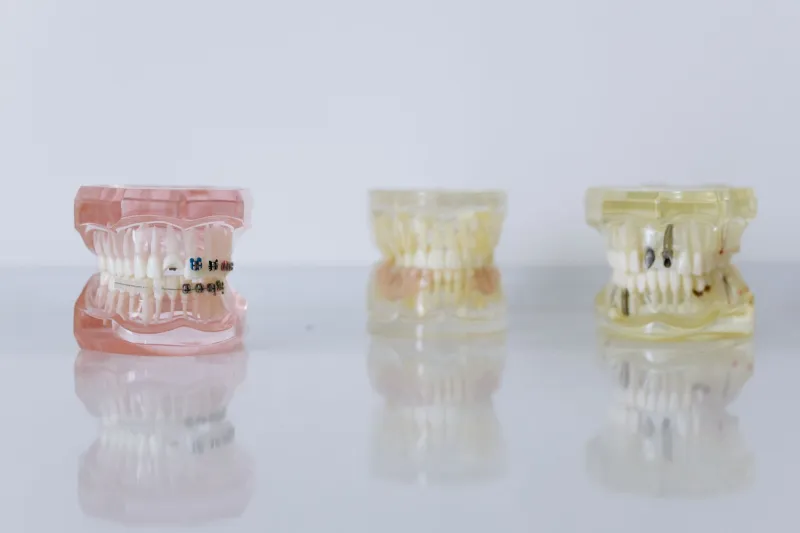
Traditional metal braces operate through a straightforward mechanical principle: brackets bonded to the surface of each tooth are connected by an archwire, which your orthodontist periodically tightens to apply consistent, guided pressure. Over time, that pressure gradually shifts teeth into proper alignment. Modern braces use higher-grade stainless steel and more ergonomic bracket designs than earlier generations, making them significantly more comfortable than many patients expect.
Clear aligners such as Invisalign work through an entirely different method. Using digital scanning technology and proprietary software, a series of custom-fabricated plastic trays is created to incrementally move teeth in precise, pre-planned stages. Patients wear each tray for approximately one to two weeks before advancing to the next set. The trays are removable, which is one of their most frequently cited advantages—but also a responsibility.
Comparing Treatment Timelines
One of the first questions patients ask is: How long will this take? The honest answer is that it depends heavily on the complexity of each individual case.
For mild to moderate crowding or spacing issues, Invisalign treatment typically ranges from six to eighteen months. More complex bite corrections may require up to two years or longer. Metal braces, by contrast, are often better suited for severe malocclusions and may complete treatment in a comparable or slightly longer timeframe—typically eighteen months to three years—but with greater precision in complex cases.
A common myth worth addressing: clear aligners are not inherently faster than braces. Marketing materials sometimes suggest otherwise, but clinical outcomes depend far more on case complexity and patient compliance than on the appliance itself. Patients who forget to wear their aligners for the recommended twenty-two hours per day will almost certainly experience delays.
The Cost Conversation
Orthodontic treatment is a meaningful financial investment regardless of which path you choose. In the United States, traditional metal braces typically range from $3,000 to $7,000, while Invisalign treatment generally falls between $3,500 and $8,500, though premium cases can exceed that range. Many dental insurance plans provide partial coverage for orthodontic treatment for both adults and children, and flexible payment plans are widely available.
It is worth noting that the cost difference between the two options has narrowed considerably in recent years. If your primary concern is budget, consult with your dental provider about what your specific case requires—a straightforward alignment issue may be equally well-served by either option at a similar price point.
Lifestyle Factors That Matter More Than You Think
Beyond clinical considerations, day-to-day lifestyle plays a significant role in determining which treatment suits a patient best.
Dietary freedom is a notable advantage of clear aligners. Because the trays are removed before eating and drinking, patients face no food restrictions. Those with braces must avoid hard, sticky, or crunchy foods that could damage brackets or wires—a real adjustment for many Americans who enjoy everything from popcorn at the movies to a good chewy bagel.
Oral hygiene is another practical consideration. Braces require more meticulous brushing and flossing around brackets and wires, and water flossers or interdental brushes are often recommended. Clear aligner wearers simply remove their trays to brush and floss normally, though the trays themselves must be cleaned regularly to prevent bacterial buildup.
Visibility matters deeply to many adult patients. Invisalign's near-invisible appearance makes it particularly appealing for professionals, those with active social lives, or anyone who feels self-conscious about visible orthodontic hardware. Teenagers, meanwhile, often adapt quickly to braces and may actually prefer them given that they require no personal discipline to keep in place.
Which Cases Are Best Suited to Each Option?
Clear aligners have improved remarkably in their ability to address complex dental issues, but there remain specific situations where metal braces continue to hold a clinical advantage. Severe rotations, significant vertical bite corrections, and certain jaw-related issues may respond better to the continuous, fixed force that braces provide. Your dental provider can assess your bite, jaw alignment, and tooth positions to determine which system offers the most predictable outcome.
For patients with mild crowding, spacing concerns, or those seeking a discreet aesthetic experience, clear aligners frequently deliver excellent results with high patient satisfaction.
What Happens After Treatment Ends?
Regardless of which orthodontic system you choose, retention is a permanent commitment. Teeth have a natural tendency to drift back toward their original positions—a phenomenon called relapse—and wearing a retainer as directed by your provider is the only way to protect your investment. Most patients transition to nightly retainer wear after an initial period of more frequent use.
At RAK Dental Clinic, we view orthodontic treatment not as a standalone procedure but as part of a broader commitment to comprehensive oral health. A straighter smile is easier to clean, places less stress on the jaw, and contributes meaningfully to long-term dental wellness.
Taking the First Step
If you have been considering orthodontic treatment, the most valuable thing you can do is schedule a consultation with a qualified dental professional. A thorough clinical evaluation—including digital imaging and a review of your dental history—will reveal which option is genuinely best suited to your anatomy, lifestyle, and goals. There is no universal right answer, only the right answer for you.
The path to a straighter, healthier smile is more accessible than it has ever been. The decision simply deserves the thoughtful attention it warrants.