Bright Smiles, Buyer Beware: What Dentists Want You to Know Before Choosing a Whitening Treatment
Walk down any pharmacy aisle or scroll through social media for more than a few minutes, and you will encounter an overwhelming number of teeth whitening products, each promising a Hollywood smile at a fraction of the cost of a dental visit. Whitening strips, LED trays, charcoal powders, whitening toothpastes—the options seem endless. Yet dental professionals across the United States consistently report seeing patients who have spent considerable money on over-the-counter solutions, only to end up with uneven results, heightened sensitivity, or, in some cases, damaged enamel.
The truth about teeth whitening is more nuanced than most marketing campaigns would have you believe. Understanding the actual science behind these products—and how your individual dental profile affects outcomes—is the most important first step any patient can take.
How Teeth Whitening Actually Works
Most whitening treatments, whether professional or over-the-counter, rely on one of two active ingredients: hydrogen peroxide or carbamide peroxide. These compounds penetrate the outer layer of the tooth, known as enamel, and break apart the molecular chains responsible for discoloration. The higher the concentration of these agents, the more aggressively they act on stains.
This is where the critical distinction between professional and consumer-grade products begins. The American Dental Association notes that professional, in-office whitening treatments typically use hydrogen peroxide concentrations ranging from 25 to 40 percent. By contrast, most over-the-counter strips and trays are formulated with concentrations between 3 and 10 percent—a significant difference that directly impacts both the speed and depth of results.
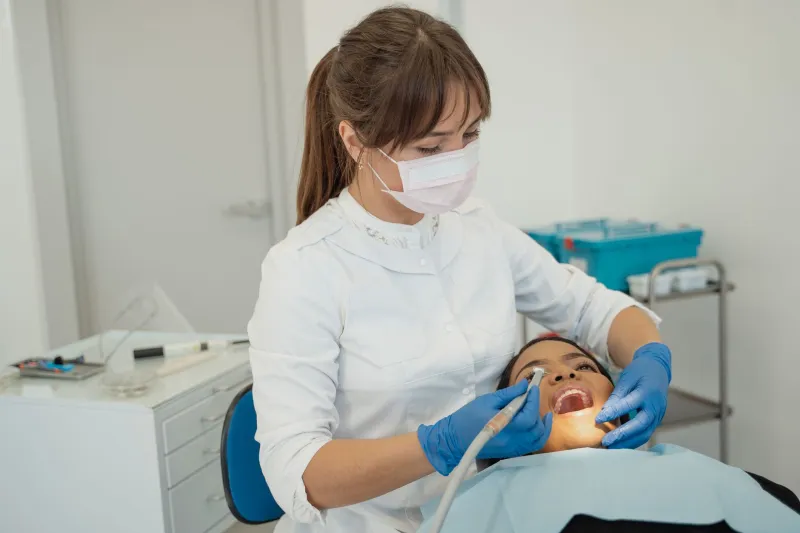
Professional treatments also involve a controlled environment. A dentist can protect your gums with a specialized barrier, monitor the application closely, and adjust the process based on your specific enamel condition. None of those safeguards exist when you are applying a whitening strip in your bathroom mirror.
The Real Cost Comparison
At first glance, the economics appear to favor at-home products. A box of popular whitening strips might run anywhere from $30 to $65, while a professional in-office whitening session can cost between $300 and $1,000 depending on the practice and geographic location. That gap looks significant—until you factor in the full picture.
Many patients find that over-the-counter products require multiple rounds of treatment to approach the results a single professional session achieves. When you account for repeated purchases over months, the cost differential narrows considerably. Moreover, if improper use leads to enamel erosion or gum irritation, corrective treatment adds expenses that were never part of the original budget.
Custom take-home whitening trays prescribed by a dentist represent a middle ground worth considering. Priced typically between $100 and $400, these trays are molded precisely to your teeth, ensuring even coverage and minimizing contact with soft tissue. The professional-grade gel used with these trays is also more effective than anything available off the shelf, offering results that rival in-office treatments over a slightly longer timeline.
Why One Size Does Not Fit All Teeth
One of the most commonly overlooked factors in the whitening conversation is tooth type. Not all discoloration responds equally to peroxide-based treatments, and this is something that dental professionals assess before recommending any approach.
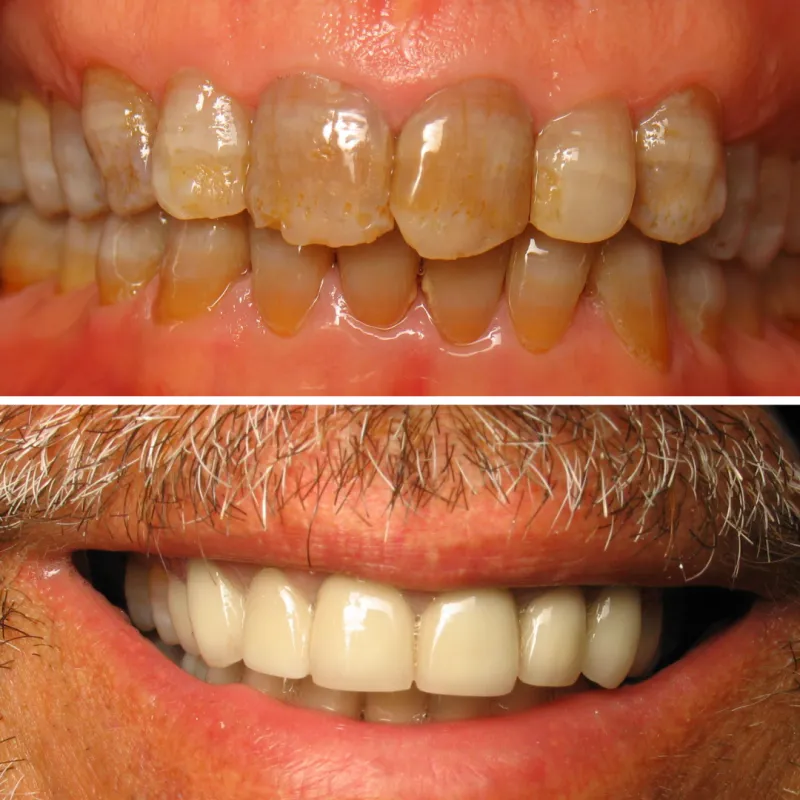
Extrinsic stains—those caused by coffee, tea, red wine, and tobacco—sit on the outer surface of the enamel and typically respond well to whitening agents. Intrinsic stains, which develop within the tooth structure itself, are a different matter entirely. These can result from certain antibiotics taken during childhood, excessive fluoride exposure, or trauma to the tooth. Peroxide-based whitening products have limited effectiveness on intrinsic discoloration, regardless of concentration. Patients who pursue aggressive over-the-counter treatments for intrinsic staining often find themselves disappointed and with more sensitive teeth to show for the effort.
Dental restorations present another complication. Crowns, veneers, bonding, and fillings do not respond to whitening agents the way natural enamel does. Treating only natural teeth without accounting for existing restorations can result in mismatched shading—a problem that is both aesthetically frustrating and costly to correct.
The Sensitivity Question
Tooth sensitivity during and after whitening treatment is one of the most frequently reported complaints among patients who attempt at-home whitening without professional guidance. The peroxide in whitening agents temporarily opens microscopic channels in the enamel called dentinal tubules, which can allow temperature and pressure to reach the nerve more easily.
For patients who already experience sensitivity—to cold beverages, sweet foods, or pressure—aggressive whitening treatments can significantly worsen the condition. Dentists are trained to recognize pre-existing sensitivity and recommend appropriate protocols, including lower-concentration formulas, desensitizing agents applied before or after treatment, and spacing out sessions to allow enamel to recover.
Some over-the-counter products now include potassium nitrate or fluoride in their formulas to help counteract sensitivity. While these additions are beneficial, they do not eliminate the risk—particularly when products are used more frequently than directed, which research suggests is a common consumer behavior.
What Dentists Consistently Recommend
The guidance from dental professionals is rarely a blanket endorsement of one approach over another. Instead, it is rooted in individual assessment. Here is what most practitioners advise:
Seek an evaluation before beginning any whitening regimen. A dental examination can identify the type of staining you have, flag any existing restorations that may complicate results, and screen for enamel erosion or gum recession that could make aggressive whitening inadvisable.
Be realistic about over-the-counter results. Consumer products can modestly brighten teeth and help maintain results achieved through professional treatment. However, expecting dramatic transformation from strips alone frequently leads to frustration.
Avoid unregulated whitening products. Charcoal-based powders, for example, have gained significant social media traction, but clinical evidence supporting their safety and efficacy is limited. Some studies suggest they may actually be abrasive enough to damage enamel over time.
Protect your investment. After any whitening treatment, dietary choices matter. Avoiding deeply pigmented foods and beverages—or rinsing promptly after consuming them—extends the longevity of results significantly.
Making an Informed Choice
The whitening industry generated over $7 billion in global revenue in recent years, and that figure continues to climb. Marketing budgets are substantial, and the promises on packaging are carefully worded to imply results that the product may not reliably deliver for every patient.
At RAK Dental Clinic, the philosophy has always been that cosmetic goals and clinical health are not separate conversations. A brighter smile is a worthwhile pursuit, but achieving it safely and effectively requires understanding your own dental profile, not just responding to the loudest advertisement.
The most cost-effective whitening decision is an informed one—made with the input of a dental professional who can look beyond the marketing and address the actual condition of your teeth. Before investing in any product or procedure, a conversation with your dentist remains the single most valuable step you can take.