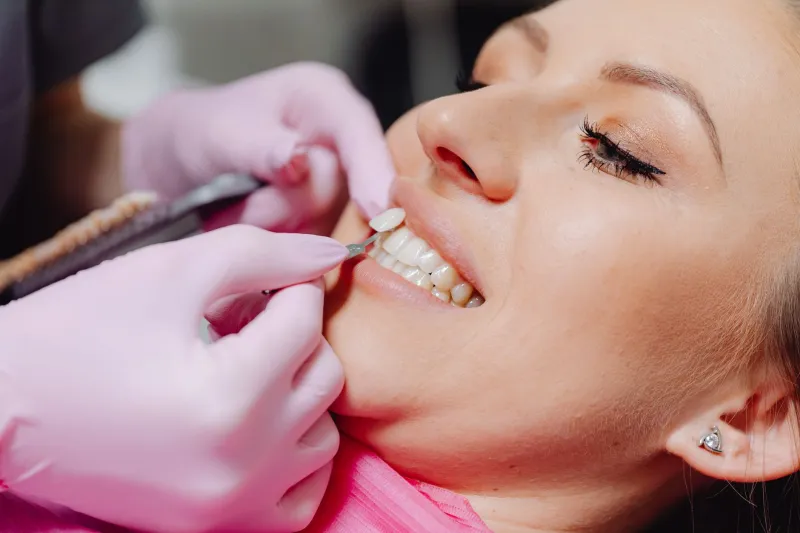
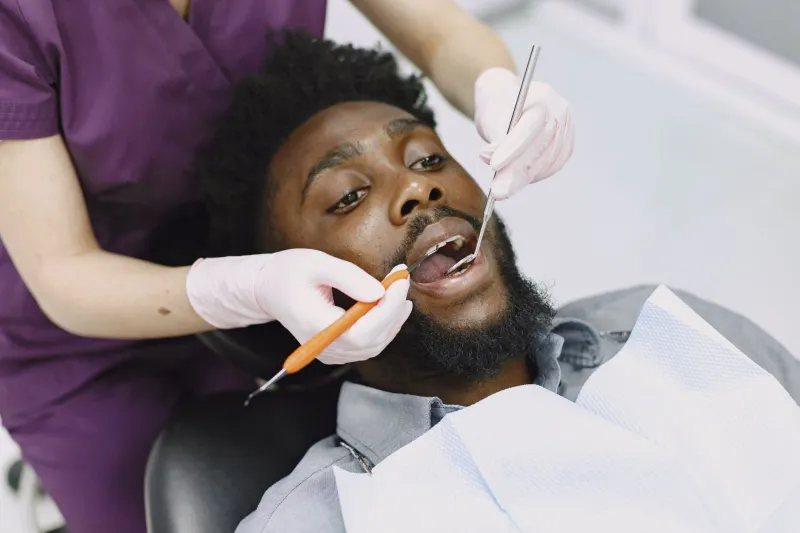
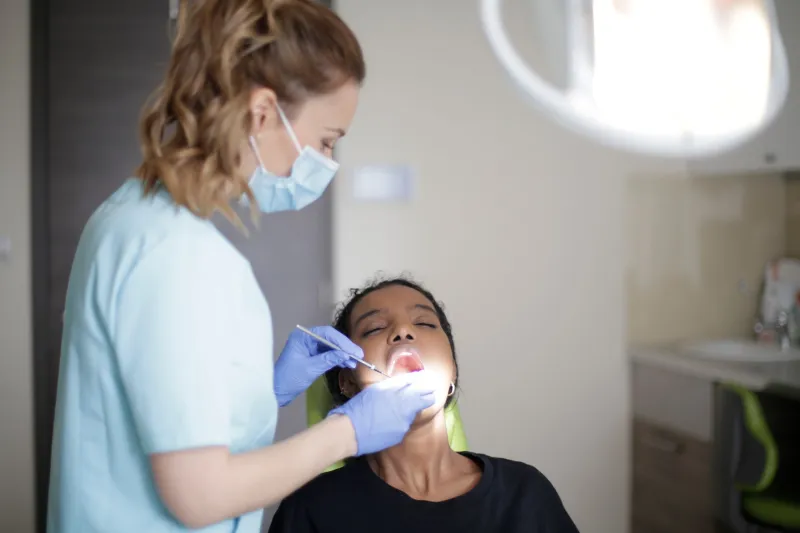
Six Simple Daily Habits That Dental Experts Say Can Prevent Thousands in Future Dental Costs
American adults spend an average of $874 per year on out-of-pocket dental expenses, according to data from the American Dental Association. For those who delay care until problems become urgent, that number climbs far higher — root canals, crowns, implants, and periodontal surgery can each run into the thousands. Yet for the vast majority of patients, the most common and costly dental problems are entirely preventable. The secret is not a revolutionary new product or an expensive treatment. It is a disciplined, evidence-based daily routine practiced with consistency.
At RAK Dental Clinic, we have observed firsthand how patients who invest just five to ten minutes each day in proper oral hygiene arrive at their checkups with dramatically healthier mouths — and dramatically smaller treatment bills. Below, we outline the six habits that make the greatest difference.
1. Brush With Technique, Not Just Effort
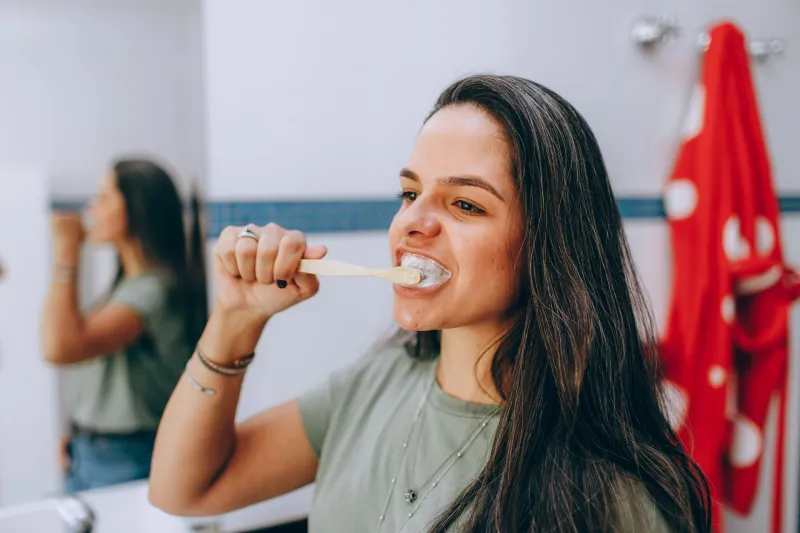
Most Americans brush their teeth — but far fewer brush correctly. The American Dental Association recommends brushing for a full two minutes, twice daily, using a soft-bristled toothbrush and fluoride toothpaste. The critical word here is technique.
Hold the brush at a 45-degree angle to the gumline and use short, gentle circular strokes rather than aggressive horizontal scrubbing. Scrubbing too hard with a stiff brush is one of the most common causes of gum recession and enamel erosion — conditions that can eventually require cosmetic or restorative treatment costing thousands of dollars.
Electric toothbrushes with built-in timers and pressure sensors have been shown in multiple clinical studies to remove plaque more effectively than manual brushing, particularly for patients who tend to rush or apply excessive force. If you have not yet made the switch, it is an investment that frequently pays for itself many times over in avoided dental bills.
Real-world example: A patient at RAK Dental Clinic who had experienced recurring cavities on the same two teeth for several years was evaluated for brushing technique. After instruction and a switch to an oscillating electric brush, she completed two subsequent annual checkups with zero new cavities.
2. Floss Every Single Day — Without Exception
No daily habit generates more patient resistance than flossing — and no habit is more consistently validated by research. Approximately 35 percent of each tooth's surface is inaccessible to a toothbrush. Flossing is the only way to remove plaque and food debris from between teeth and just beneath the gumline, where cavities and periodontal disease most often originate.
The technique matters here as well. Slide the floss gently between teeth, curve it into a C-shape around each tooth, and move it up and down along the side of the tooth — do not simply snap it against the gums. For patients with tight contacts, bridges, or orthodontic appliances, floss threaders, water flossers, or interdental brushes may be more practical alternatives.
Skipping this step is one of the fastest routes to interproximal cavities — those that form between teeth — which frequently require fillings that, if left untreated, progress to root canals. A root canal and crown can cost between $1,500 and $3,000 or more, depending on the tooth and your location in the US. A container of floss costs less than five dollars.
3. Use a Fluoride Rinse to Strengthen Enamel
Brushing and flossing address plaque mechanically. Adding an over-the-counter fluoride mouthwash to your routine provides a chemical layer of protection that reinforces enamel and reduces the risk of early-stage cavities remineralizing before they become full cavities requiring restoration.
Fluoride works by integrating into the enamel structure and making it more resistant to acid attacks from bacteria and dietary sugars. For patients at elevated cavity risk — including those with dry mouth, a history of frequent cavities, or orthodontic appliances — a prescription-strength fluoride product may be recommended during your visit to RAK Dental Clinic.
Use your fluoride rinse after brushing and flossing, and avoid eating or drinking for 30 minutes afterward to allow the fluoride to absorb fully.
4. Hydrate Consistently and Limit Acidic Beverages
Water is, without question, the most tooth-friendly beverage available. It rinses away food debris, dilutes acids produced by oral bacteria, and — when sourced from a fluoridated municipal supply, as is the case in most US cities — delivers a continuous low-level fluoride benefit throughout the day.
In contrast, frequent consumption of soda, sports drinks, citrus juices, and even sparkling water exposes enamel to repeated acid attacks. Each exposure temporarily softens the enamel surface, and over time, this leads to erosion — a condition that cannot be reversed and that often requires cosmetic intervention such as veneers or bonding to address aesthetically.
If you consume acidic beverages, use a straw to minimize direct contact with teeth, and wait at least 30 minutes before brushing — brushing immediately after acid exposure can accelerate enamel wear.
5. Chew Sugar-Free Gum After Meals
This recommendation surprises many patients, but the evidence supporting it is robust. Chewing sugar-free gum sweetened with xylitol for 20 minutes after meals stimulates saliva flow, which is the body's natural defense mechanism against cavities. Saliva neutralizes acids, washes away food particles, and delivers calcium and phosphate to the enamel surface.
Xylitol, a natural sugar alcohol, has the added benefit of inhibiting the growth of Streptococcus mutans — the primary bacterium responsible for tooth decay. Multiple clinical trials have demonstrated that regular xylitol exposure reduces cavity incidence, particularly in children and adults at elevated risk.
This habit is especially useful in workplace or social situations where brushing after lunch is impractical.
6. Replace Your Toothbrush — and Your Habits — Regularly
A toothbrush with frayed, splayed bristles does not clean effectively, regardless of how long you use it. The ADA recommends replacing your toothbrush or electric brush head every three to four months, or sooner if the bristles show visible wear. Additionally, replace your brush after recovering from any illness to avoid reintroducing bacteria into your mouth.
Beyond the physical tool, consider scheduling a periodic review of your oral hygiene routine with your dental hygienist. Plaque-disclosing tablets — available at most pharmacies — can reveal areas you consistently miss, allowing you to refine your technique. Small adjustments in how you brush or floss can prevent the gradual accumulation of plaque that leads to tartar buildup, gum disease, and eventual bone loss.
The Bottom Line: Small Investments, Large Returns
The math is straightforward. A quality electric toothbrush costs between $40 and $150. Floss, fluoride rinse, and sugar-free gum add perhaps another $10 to $20 per month. Compare that to the cost of a single crown ($1,000–$1,800), a periodontal deep cleaning ($700–$1,500), or a dental implant ($3,000–$5,000) — all outcomes that consistent daily care can help you avoid.
At RAK Dental Clinic, we believe that the best dental treatment is the treatment you never need. Our team is committed to equipping every patient with the knowledge, tools, and personalized guidance to maintain a healthy, beautiful smile between visits. Because a few minutes each day, practiced correctly and consistently, is truly the most powerful investment you can make in your oral — and overall — health.
Ready to build a stronger daily routine? Schedule a preventive consultation with our team, and let us help you create a personalized plan for your healthiest smile.