Implants, Bridges, or Dentures: Making the Right Choice for Your Missing Teeth
Tooth loss is more common in the United States than many people realize. According to the American College of Prosthodontists, more than 36 million Americans are missing all of their teeth, and approximately 120 million are missing at least one. Whether the cause is decay, gum disease, injury, or a long-delayed extraction, the gap left behind is rarely just cosmetic. Bone loss, shifting adjacent teeth, and changes in bite alignment can follow if the space is left unaddressed.
At RAK Dental Clinic, restorative care is not a one-size-fits-all proposition. The right solution depends on a patient's overall oral health, bone density, lifestyle, budget, and long-term goals. Below is a thorough comparison of the three most widely used tooth-replacement options available today.
Dental Implants: The Gold Standard for Permanence
A dental implant is a titanium post surgically placed into the jawbone, where it fuses with the surrounding bone through a process called osseointegration. Once fully integrated — a period that typically spans three to six months — a custom-crafted crown is attached to the post, creating a restoration that closely mimics the look, feel, and function of a natural tooth.
Durability: Implants are widely regarded as the most durable tooth-replacement option available. With proper care, they can last decades — and in many cases, a lifetime. The titanium post itself rarely needs replacement; only the crown may require attention after ten to fifteen years of heavy use.
Aesthetic outcome: Because an implant is anchored directly into the jawbone, it preserves the natural contour of the gum line and prevents the bone resorption that typically follows tooth loss. The result is a restoration that is virtually indistinguishable from a natural tooth.
Maintenance: Implants are cared for exactly like natural teeth — routine brushing, flossing, and professional cleanings are all that is required. There are no adhesives, no removal at night, and no special soaking solutions.
Cost and considerations: Implants carry the highest upfront cost of the three options, often ranging from $3,000 to $5,000 per tooth when the crown and surgical fees are included. Dental insurance coverage varies widely, though financing plans can make implants accessible to a broader range of patients. Candidates must have sufficient bone density and healthy gum tissue, and certain systemic conditions — such as uncontrolled diabetes — may affect eligibility.
Dental Bridges: A Reliable Middle Ground
A traditional dental bridge fills the gap created by one or more missing teeth by anchoring a prosthetic tooth (called a pontic) to the natural teeth on either side of the space. Those neighboring teeth, known as abutment teeth, are shaped and fitted with crowns that hold the bridge firmly in place.
Durability: A well-crafted bridge, made from porcelain fused to metal or full porcelain, typically lasts between ten and fifteen years with diligent maintenance. Unlike implants, bridges do not address the underlying bone loss that occurs after extraction, which may eventually affect the appearance of the surrounding tissue.
Aesthetic outcome: Modern porcelain bridges are highly realistic and can be color-matched to surrounding teeth. However, over time, the absence of a tooth root means the jawbone beneath the pontic may gradually recede, which can create a slight gap between the bridge and the gum line.
Maintenance: Bridges require careful attention beneath the pontic, where food debris can accumulate. Floss threaders or water flossers are commonly recommended to keep the area clean. The abutment teeth must also remain healthy for the bridge to remain stable.
Cost and considerations: Bridges are generally less expensive than implants, with costs typically ranging from $2,500 to $6,000 for a three-unit bridge depending on materials and location. Most dental insurance plans cover a portion of bridge work. One important consideration is that healthy adjacent teeth must be permanently altered to serve as anchors — a trade-off some patients prefer to avoid.
Dentures: Broad Coverage at an Accessible Price Point
Dentures remain one of the most commonly used solutions for patients who have lost multiple teeth or an entire arch. Full dentures replace all teeth in the upper or lower jaw, while partial dentures fill in gaps when some natural teeth remain.
Durability: Conventional dentures typically last five to ten years before needing replacement or relining, as the shape of the jaw and gum tissue changes over time. Implant-supported dentures — a hybrid option that anchors a denture to two to four implants — offer significantly improved stability and longevity.
Aesthetic outcome: Today's dentures are far more natural-looking than the prosthetics of previous generations. Custom shading, gum-colored acrylic bases, and carefully shaped teeth contribute to a lifelike appearance. However, conventional dentures may shift slightly during speech or eating, which some patients find noticeable.
Maintenance: Dentures must be removed nightly, soaked in a cleansing solution, and brushed carefully. The gums and any remaining natural teeth should also be cleaned daily. Adhesives may be used to improve fit, particularly as the jaw changes shape over the years.
Cost and considerations: Full dentures are the most affordable entry point, with costs ranging from approximately $1,000 to $3,000 per arch. Partial dentures vary depending on the number of teeth involved and the materials used. For patients who have experienced significant tooth loss and are working within a defined budget, dentures provide a functional and aesthetic solution that can be fitted relatively quickly.
How to Decide: Key Questions to Discuss with Your Dentist
Choosing among these three options is rarely straightforward, and the right answer is deeply personal. When patients come to RAK Dental Clinic for a restorative consultation, our team evaluates several factors before making a recommendation:
- How many teeth are missing, and where are they located? A single missing tooth in a visible area may call for a different approach than multiple missing molars.
- What is the current state of the jawbone? Significant bone loss may require grafting before implants can be placed, adding time and cost to the process.
- What are the patient's long-term goals? Those prioritizing permanence and minimal maintenance often lean toward implants; patients seeking a faster, more budget-conscious solution may prefer bridges or dentures.
- Are there any underlying health conditions? Systemic health, medications, and habits such as smoking all influence which restorations are likely to succeed.
A Commitment to Comprehensive Restorative Care
At RAK Dental Clinic, our philosophy is that a complete, healthy smile is within reach for every patient — regardless of how they arrived at tooth loss. Restorative dentistry is not simply about filling a gap; it is about restoring function, preserving oral health, and renewing confidence. Our team takes the time to understand each patient's unique circumstances before presenting a treatment plan, because the best restorative outcome is always one that is tailored to the individual.
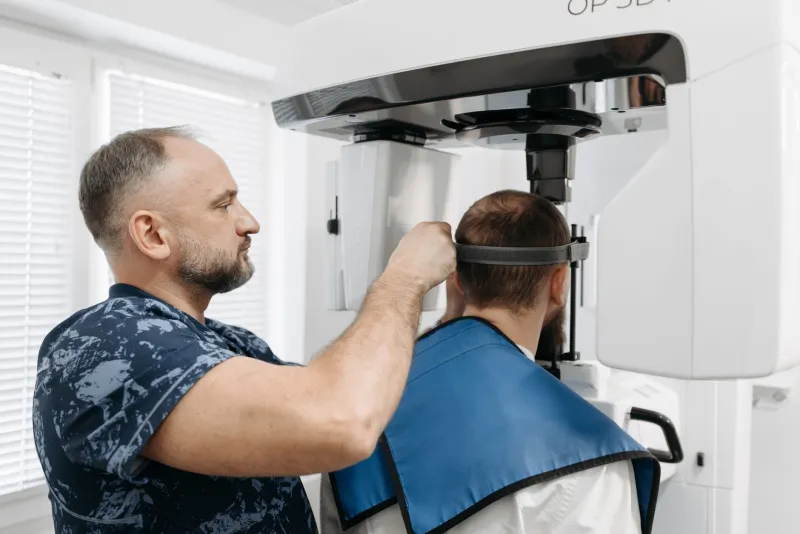
If you are living with missing teeth and wondering which path forward is right for you, we invite you to schedule a consultation. A thorough examination, including imaging of the bone and surrounding structures, will give our team the information needed to guide you toward a decision you can feel good about for years to come.