When Cold Water Becomes the Enemy: Understanding Tooth Sensitivity and the Treatments That Actually Work
For many Americans, the simple pleasure of sipping an ice-cold glass of water or enjoying a bowl of hot soup has become an exercise in bracing for pain. Tooth sensitivity—that sharp, fleeting sting that radiates through a tooth without warning—is one of the most common complaints dental patients bring to their appointments. Yet despite how widespread the condition is, it remains widely misunderstood.
At RAK Dental Clinic, we frequently encounter patients who have been managing sensitivity with over-the-counter desensitizing toothpaste for years, believing it to be the only available remedy. The reality is far more encouraging. Contemporary dentistry offers a range of precise, lasting interventions that address sensitivity at its root cause rather than simply masking the discomfort.
What Is Actually Happening Inside a Sensitive Tooth?
To understand why teeth become sensitive, it helps to understand their structure. Beneath the hard outer enamel lies a layer called dentin, which contains thousands of microscopic tubules leading directly to the tooth's nerve center. When enamel is compromised—or when the gum tissue recedes and exposes the root surface—these tubules become unprotected pathways. Temperature changes, sweet or acidic substances, and even air pressure can travel through these channels and trigger the nerve, producing that characteristic sharp sensation.
The critical distinction is that sensitivity is a symptom, not a diagnosis. Identifying which underlying condition is generating the symptom is what separates effective treatment from temporary relief.
The Surprising Causes Most Patients Don't Suspect
Worn enamel is indeed a contributing factor, but it is rarely the whole story. Several other causes deserve equal attention:
Overly Aggressive Brushing Many patients assume that brushing harder produces a cleaner result. In fact, scrubbing the teeth with excessive force—particularly with a medium or firm-bristled brush—gradually wears away enamel at the gumline and pushes gum tissue downward. This exposes the root surface, which lacks the protective enamel layer altogether. The damage accumulates over years and is entirely preventable with proper technique and a soft-bristled brush.
Dietary Acid Exposure American diets are frequently high in acidic foods and beverages: citrus fruits, tomato-based sauces, vinegar dressings, carbonated drinks, and coffee. Each exposure temporarily softens enamel, and repeated contact over time erodes it. Patients who consume these items regularly—even healthy options like sparkling water—may be unknowingly accelerating enamel loss.
Bruxism and Clenching Nighttime teeth grinding, clinically known as bruxism, places enormous mechanical pressure on the teeth. Over time, this wears down the biting surfaces and can fracture enamel in ways that are not always visible to the naked eye. Many patients with bruxism are unaware of the habit until a dental examination reveals the telltale wear patterns.
Recent Dental Procedures It is worth noting that temporary sensitivity following procedures such as teeth whitening, fillings, or crown placements is entirely normal. This type of sensitivity typically resolves within a few weeks as the tooth settles.
Gum Recession Beyond aggressive brushing, gum recession can also result from periodontal disease, genetic predisposition, or orthodontic movement. When gum tissue pulls away from the tooth, the root becomes exposed and vulnerable.
Modern Treatments That Go Beyond the Toothpaste Aisle
The good news for sensitivity sufferers is that dental science has advanced considerably. Depending on the underlying cause, a dentist may recommend one or more of the following approaches:
Professional Fluoride Therapy
In-office fluoride applications are significantly more concentrated than anything available over the counter. These treatments work by strengthening enamel and blocking exposed dentinal tubules, reducing nerve stimulation. For patients with early-stage sensitivity linked to mild enamel erosion, fluoride therapy can provide meaningful relief relatively quickly and without any invasive procedures.
Dental Bonding
When sensitivity stems from exposed root surfaces or minor enamel chips, composite resin bonding offers a durable solution. The dentist applies a tooth-colored resin material directly to the vulnerable area, effectively sealing the exposed dentin and restoring a protective barrier. The procedure is typically completed in a single appointment and requires no anesthesia in most cases.
Gum Grafting
For patients experiencing significant gum recession, a soft tissue graft may be the most appropriate long-term solution. During this procedure, a small amount of tissue—often taken from the roof of the mouth or sourced from donor tissue—is grafted onto the receded area to rebuild the gumline. Beyond eliminating sensitivity, this treatment also protects the tooth root from decay and can improve the overall appearance of the smile. While it is a surgical procedure, recovery is generally manageable, and the results are lasting.
Custom Night Guards
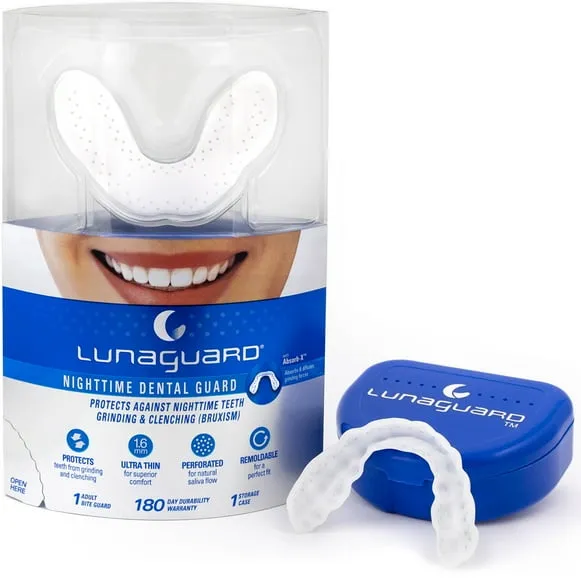
For patients whose sensitivity is driven by bruxism, a professionally fabricated night guard is an essential intervention. Unlike store-bought options, a custom guard is precisely molded to the patient's bite, distributing pressure evenly and preventing further enamel wear. Addressing grinding not only reduces sensitivity but also protects the structural integrity of the teeth over time.
Desensitizing Agents and Sealants
In some cases, a dentist may apply in-office desensitizing agents such as potassium nitrate or oxalate compounds directly to the affected teeth. These substances work by blocking tubule openings or calming the nerve response within the tooth. Dental sealants, more commonly associated with cavity prevention in children, can also be applied to exposed root surfaces in adult patients as a protective measure.
When Sensitivity Is a Warning Sign
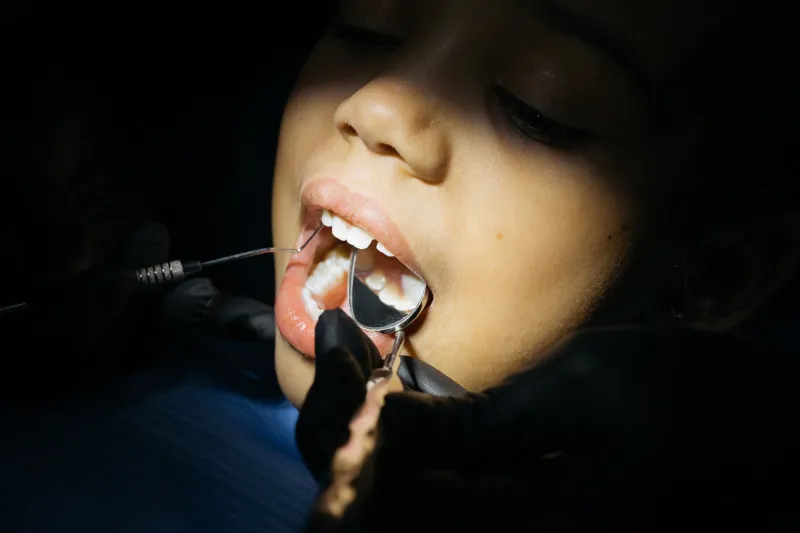
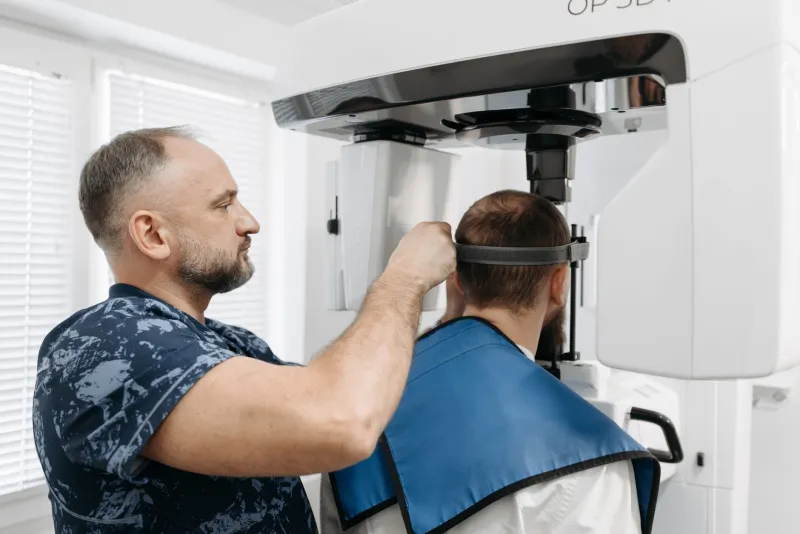
It is important to emphasize that persistent or severe sensitivity should never be dismissed as a minor inconvenience. In some instances, it can signal a cracked tooth, a failing filling, or even the early stages of pulp inflammation—conditions that require prompt professional attention. A thorough examination, which may include digital X-rays, allows the dental team to rule out these more serious causes before proceeding with sensitivity-specific treatment.
A Practical Path Forward
If tooth sensitivity is affecting your quality of life, the most important step is scheduling a comprehensive evaluation rather than continuing to self-manage with desensitizing products. While these products have their place as a supplementary measure, they rarely address the underlying cause.
At RAK Dental Clinic, our approach begins with a detailed assessment of your oral health history, dietary habits, and brushing technique. From there, we develop a treatment plan tailored to your specific situation—one that prioritizes lasting relief over temporary symptom management.
Sensitivity is not something you simply have to live with. With the right diagnosis and the appropriate treatment, most patients experience significant improvement and, in many cases, complete resolution of their discomfort. Your smile deserves to be both healthy and pain-free, and modern dentistry has the tools to make that a reality.