Waking Up to Hidden Damage: How Your Dentist Can Stop Teeth Grinding Before It Costs You
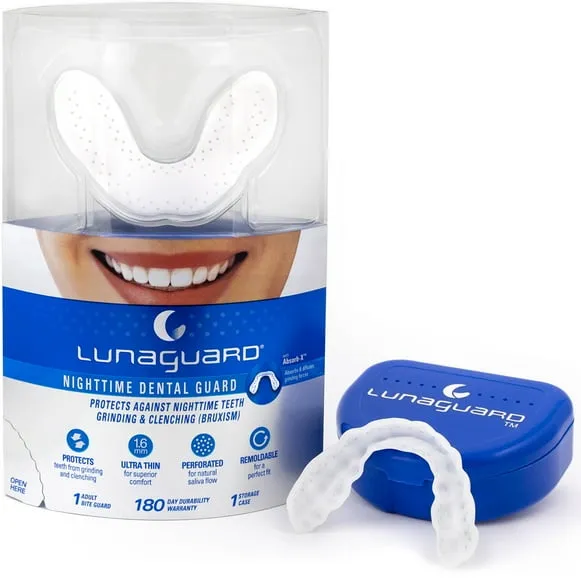
Photo: dental night guard teeth grinding jaw clenching stress bruxism treatment, via i5.walmartimages.com
Stress manifests in the body in countless ways—tension headaches, disrupted sleep, muscle aches, digestive troubles. But one of its most underappreciated consequences takes place inside the mouth, often in the quiet hours of the night, entirely beyond conscious awareness. Bruxism—the clinical term for habitual teeth grinding and jaw clenching—affects an estimated 10 to 15 percent of adults in the United States, and a significant portion of those individuals have no idea it is happening.
The damage, however, is anything but invisible to a trained eye. And that trained eye most often belongs to your dentist.
What Bruxism Actually Is—and What It Is Not
Bruxism is not simply the occasional grinding that occurs when someone is frustrated or tense. It is a repetitive, involuntary behavior that can occur during waking hours (awake bruxism) or during sleep (sleep bruxism), with the latter being far more difficult for patients to self-identify. Sleep bruxism is classified as a sleep-related movement disorder, meaning it occurs outside of conscious control and is often associated with other sleep disturbances such as snoring or sleep apnea.
The forces generated during bruxism are substantial. While normal chewing exerts roughly 20 to 40 pounds of pressure per square inch, grinding and clenching can produce forces several times greater—sometimes exceeding 250 pounds per square inch. Applied repeatedly over months and years, that level of force causes structural damage that no amount of brushing or flossing can prevent.
The Stress Connection: Why Modern Life Makes Bruxism Worse
Research consistently links bruxism to psychological stress, anxiety, and sleep disruption—conditions that have become increasingly prevalent in American life. Work pressures, financial concerns, and the chronic overstimulation associated with digital device use have all been identified as contributing factors. Caffeine consumption and certain medications, including some antidepressants, have also been associated with increased bruxism activity.
For many patients, the relationship between stress and grinding creates a troubling cycle: stress triggers bruxism, bruxism disrupts sleep quality, poor sleep increases stress reactivity, and heightened stress perpetuates grinding. Breaking that cycle requires addressing both the behavioral and physical dimensions of the condition.
Recognizing the Warning Signs
Because sleep bruxism occurs unconsciously, patients often rely on secondary clues to suspect a problem. Common indicators include:
- Morning jaw soreness or stiffness that gradually eases throughout the day
- Dull, persistent headaches originating at the temples, particularly upon waking
- Facial muscle fatigue or a feeling of tightness in the cheeks and jaw
- Tooth sensitivity to temperature or pressure that was not previously present
- Chipped, flattened, or worn-down teeth that appear shorter than they once did
- Indentations on the sides of the tongue or ridging along the inner cheeks
- Disrupted sleep reported by a partner who hears grinding sounds during the night
None of these symptoms alone confirms bruxism, but several occurring together—particularly in someone experiencing elevated stress—warrants a conversation with a dental professional.
What Your Dentist Sees That You Cannot
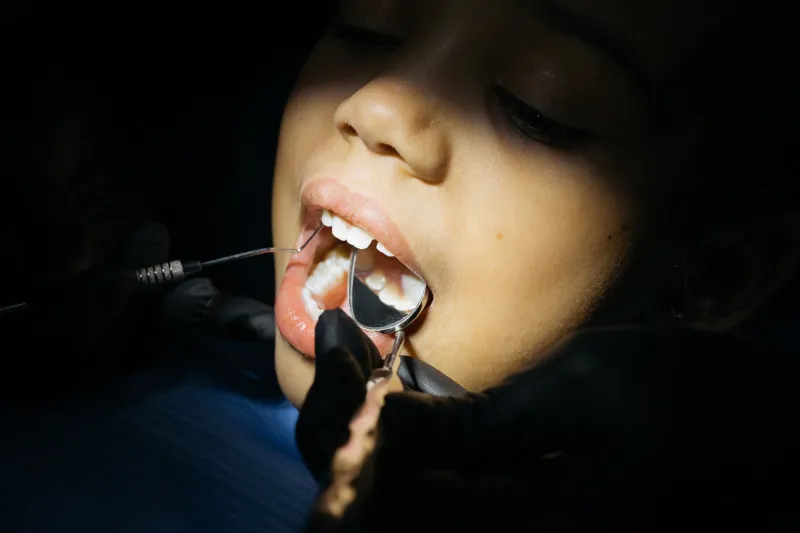
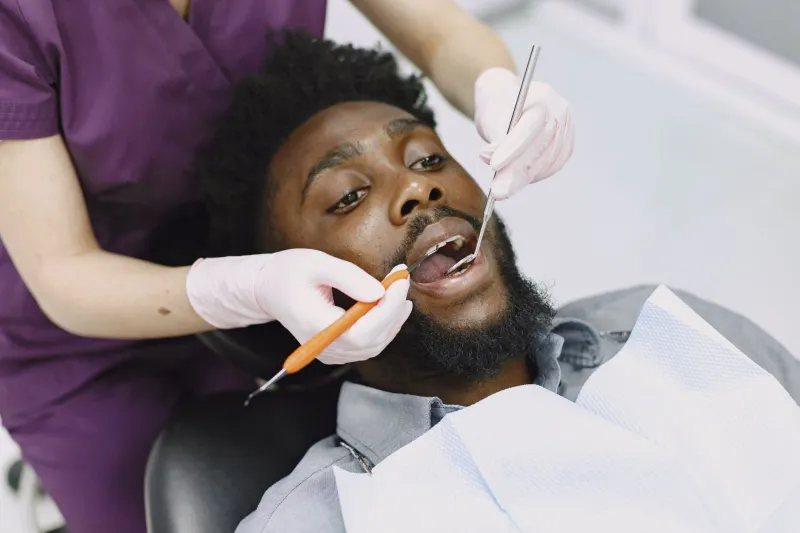
The dental examination is often where bruxism is formally identified, even when patients arrive for a routine cleaning. A dentist examining the teeth and oral structures can observe patterns of wear that are highly specific to grinding behavior. Flattened cusp tips, hairline cracks in enamel, erosion along the biting edges, and fractures in existing restorations all tell a coherent story.
Your dentist may also assess the temporomandibular joint (TMJ)—the hinge connecting the jaw to the skull—for signs of inflammation, clicking, or restricted movement. Bruxism is a leading contributor to temporomandibular joint disorder (TMD), a condition that can cause significant pain and functional limitation if not addressed.
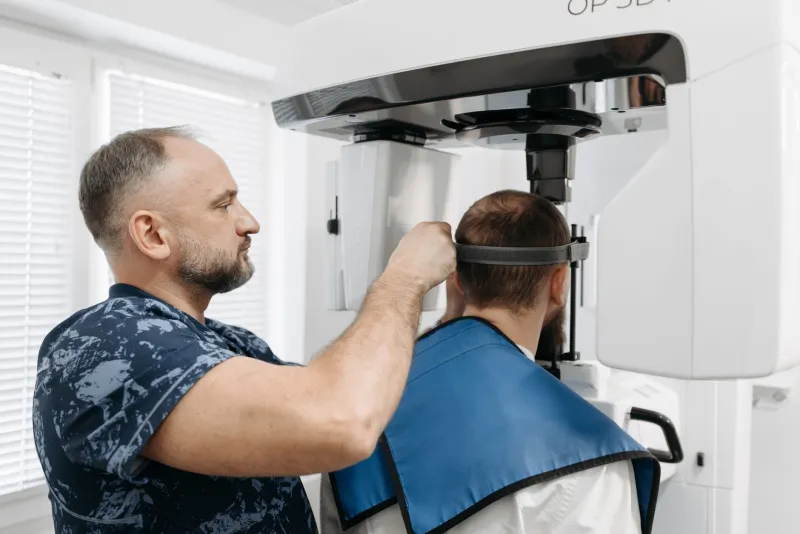
In some cases, a sleep study referral may be recommended, particularly when sleep apnea is suspected as a coexisting condition.
Treatment Options: Protecting What You Have
The goal of bruxism treatment is twofold: to prevent further structural damage and, where possible, to address the underlying drivers of the behavior. Dentists have several effective tools at their disposal.
Custom Night Guards
The most widely used intervention is a custom-fabricated occlusal splint, commonly referred to as a night guard. Unlike the generic, over-the-counter versions available at pharmacies, a professionally made night guard is precisely fitted to a patient's unique bite using digital or physical impressions. This precision ensures proper fit, comfort, and effectiveness.
The night guard creates a protective barrier between the upper and lower teeth, absorbing and redistributing the forces generated during grinding. It does not eliminate the behavior, but it substantially reduces the structural damage that behavior causes. Many patients also report reduced morning jaw pain and headache frequency after consistent use.
Bite Equilibration
In cases where an uneven bite is contributing to clenching patterns, the dentist may recommend bite equilibration—a procedure in which specific tooth surfaces are carefully adjusted to create more balanced contact when the jaws come together. By eliminating points of uneven pressure, the jaw muscles are encouraged to rest in a more relaxed position, which can reduce the intensity of grinding episodes.
Cosmetic and Restorative Repair
For patients who have already sustained significant enamel loss or sustained damage to existing dental work, restorative intervention may be necessary. Dental bonding, porcelain veneers, or crowns can rebuild worn tooth surfaces, restore proper tooth height, and protect the underlying dentin that becomes exposed when enamel erodes. Addressing these issues not only improves aesthetics but also prevents further sensitivity and structural vulnerability.
Behavioral and Lifestyle Strategies
While dentistry manages the physical consequences of bruxism, addressing the behavioral roots is equally important. Stress reduction techniques—including mindfulness practices, regular physical activity, and improved sleep hygiene—have demonstrated measurable impact on bruxism frequency. Reducing caffeine intake, particularly in the hours before sleep, is also advisable. In some cases, a referral to a therapist trained in cognitive behavioral therapy (CBT) or biofeedback may be recommended as a complement to dental treatment.
The Cost of Waiting
Bruxism is a condition that worsens progressively and silently. Enamel does not regenerate. Once worn away, it must be replaced with restorative materials—a process that is effective but carries both financial and procedural costs that escalate the longer treatment is delayed. A night guard fabricated early in the course of bruxism costs a fraction of the crowns, veneers, or implants that may eventually be required if grinding continues unchecked for years.
Preventive dentistry, at its core, is about intervening before damage becomes irreversible. Few conditions illustrate that principle more clearly than bruxism.
Your Next Step
If you recognize any of the warning signs described in this article—or if you simply suspect that stress may be expressing itself through your jaw—schedule a conversation with your dentist. A thorough examination takes less than an hour. The information it yields could protect your teeth, your comfort, and your wallet for years to come.
At RAK Dental Clinic, we approach bruxism as a whole-patient concern, not merely a dental inconvenience. Our team is equipped to identify the signs of grinding early, design protective solutions tailored to your bite, and support you in maintaining a healthy, resilient smile through every season of life.