From Mouth to Metabolism: What Your Oral Bacteria Reveal About Your Digestive Health
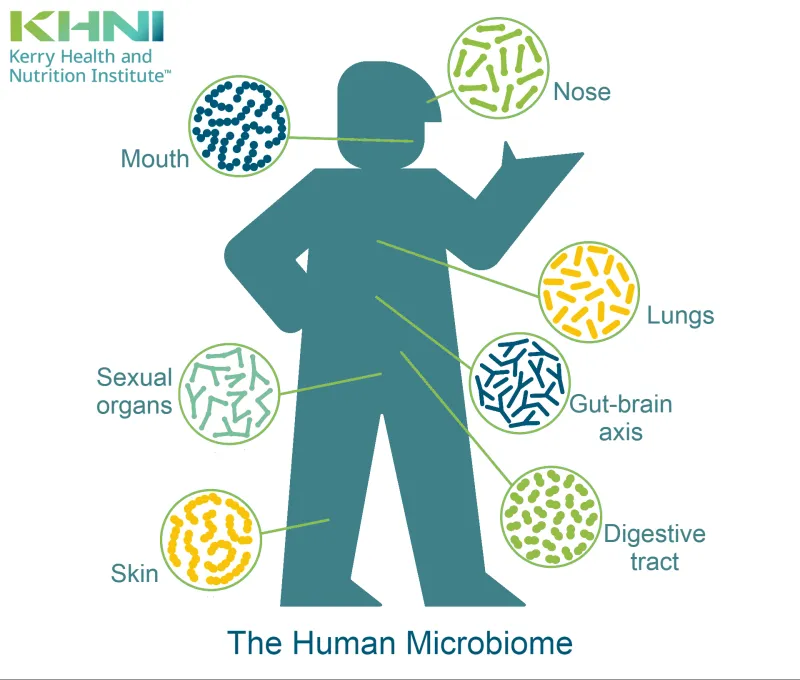
Photo: human digestive system oral health bacteria microbiome illustration, via khni.kerry.com
Most people think of the mouth and the gut as separate systems, connected only by the act of swallowing. But science is telling a far more intricate story—one in which the bacterial communities that take root between your teeth and along your gumline actively shape what happens to food and nutrients far deeper in your body. For patients who prioritize whole-body wellness, this relationship deserves serious attention.
The Mouth as the Body's First Digestive Chamber
Digestion does not begin in the stomach. It begins the moment food enters your mouth. Saliva contains digestive enzymes—most notably amylase—that begin breaking down carbohydrates before you even swallow. But saliva is not working alone. The oral microbiome, a complex ecosystem of more than 700 bacterial species, is simultaneously interacting with everything you consume.
When this microbial community is balanced, it supports healthy enzymatic activity, helps neutralize harmful compounds, and contributes to the early stages of nutrient processing. When it is disrupted—by poor hygiene, a diet high in refined sugars, or chronic dry mouth—the consequences extend well beyond cavities and gum disease.
How Oral Bacteria Travel to the Gut
Every time you swallow, you ingest somewhere between one billion and ten billion bacteria. Under healthy conditions, most of these organisms are harmless or even beneficial. However, when pathogenic bacteria proliferate in the oral cavity—a condition clinicians associate with periodontitis, plaque accumulation, and untreated decay—a disproportionate number of harmful microbes make the journey southward.
Researchers have identified oral bacteria, including Porphyromonas gingivalis and Fusobacterium nucleatum, in the intestinal tracts of patients with inflammatory bowel conditions, colorectal concerns, and other gastrointestinal disorders. The implication is significant: an imbalanced oral microbiome may be seeding the gut with bacteria that disrupt its own delicate ecosystem.
This phenomenon—sometimes described as oral-gut microbial translocation—is now a focal point of gastrointestinal and dental research alike.
Nutrient Absorption: More Oral Than You Might Expect
The integrity of your gut lining determines how efficiently your body extracts vitamins, minerals, and macronutrients from food. When harmful oral bacteria colonize the intestinal environment, they can contribute to low-grade inflammation that compromises this lining. The result is a gut that is less effective at absorbing iron, B vitamins, magnesium, and other nutrients critical to energy, immunity, and cognitive function.
For patients already dealing with unexplained fatigue, nutritional deficiencies, or digestive irregularities, the oral microbiome may be an overlooked contributing factor. A dental examination is not the first appointment most Americans schedule when their digestion feels off—but perhaps it should be among the first.
The Nitric Oxide Pathway: A Surprising Oral Contribution
One of the more compelling discoveries in this field involves nitric oxide, a molecule essential to cardiovascular health, blood pressure regulation, and metabolic efficiency. Certain beneficial bacteria in the mouth play a direct role in converting dietary nitrates—found in leafy greens, beets, and other vegetables—into nitrite, a precursor that the body then converts into nitric oxide.
Antibacterial mouthwashes, while effective at reducing oral bacteria broadly, have been shown in some studies to impair this nitrate-to-nitrite conversion pathway. This does not mean patients should abandon antimicrobial rinses when clinically indicated, but it does underscore the importance of using such products judiciously and under professional guidance rather than as a reflexive daily habit.
At RAK Dental Clinic, our approach to oral hygiene recommendations is always individualized—because what works for one patient's microbiome may not be appropriate for another's.
Inflammation: The Common Thread
Chronic low-grade inflammation is increasingly recognized as an underlying driver of metabolic dysfunction, including insulin resistance and weight regulation challenges. Periodontal disease—an infection of the structures supporting the teeth—is itself an inflammatory condition. When left untreated, it contributes to systemic inflammatory markers that can impair how the body processes glucose and regulates fat storage.
This is not a fringe theory. Multiple peer-reviewed studies have documented associations between periodontal disease and metabolic syndrome, a cluster of conditions that increases the risk of type 2 diabetes and cardiovascular disease. Treating gum disease has been shown in some clinical settings to improve glycemic control in diabetic patients—a finding that speaks to the downstream metabolic power of a healthier oral environment.
What Patients Can Do to Support Oral-Gut Harmony
Maintaining a balanced oral microbiome is not dramatically different from maintaining good oral health in general—but the motivation behind the effort becomes considerably more compelling when patients understand the systemic stakes.
Prioritize consistent, thorough oral hygiene. Brushing twice daily with fluoride toothpaste and flossing at least once per day remains the cornerstone of microbial management in the mouth. These habits limit the overgrowth of pathogenic species without eliminating the beneficial bacteria that support enzymatic and metabolic functions.
Attend regular professional cleanings. Plaque that calcifies into tartar harbors anaerobic bacteria that standard brushing cannot remove. Professional cleanings disrupt these bacterial colonies at a structural level, reducing the volume of harmful microbes available for intestinal transit.
Be thoughtful about diet. Fermented foods such as plain yogurt, kefir, and kimchi introduce beneficial bacteria that support both oral and gut microbial diversity. Limiting refined sugars reduces the fuel source that pathogenic oral bacteria thrive on.
Discuss mouthwash use with your dentist. Not all rinses are created equal, and the indiscriminate use of broad-spectrum antimicrobial products may do more harm than good in certain patients. A dental professional can help identify which formulations are appropriate for your specific oral health profile.
Stay hydrated. Saliva is a natural antimicrobial agent. Chronic dehydration and dry mouth conditions reduce salivary flow, allowing harmful bacteria to flourish unchecked. Patients on medications that cause dry mouth should speak with both their physician and their dentist about management strategies.
Dental Care as Nutritional Medicine
The emerging science of the oral-gut axis invites a meaningful reframing of what dental care actually accomplishes. A routine checkup at RAK Dental Clinic is not merely a cavity check—it is an opportunity to assess the health of a microbial environment that influences how your body digests food, absorbs nutrients, and manages inflammation from the first bite to the final cellular process.
For patients who are serious about their nutritional health, metabolic wellness, or gastrointestinal function, the dental chair may be one of the most underutilized seats in their healthcare routine. The mouth is not a separate system. It is the beginning of everything.