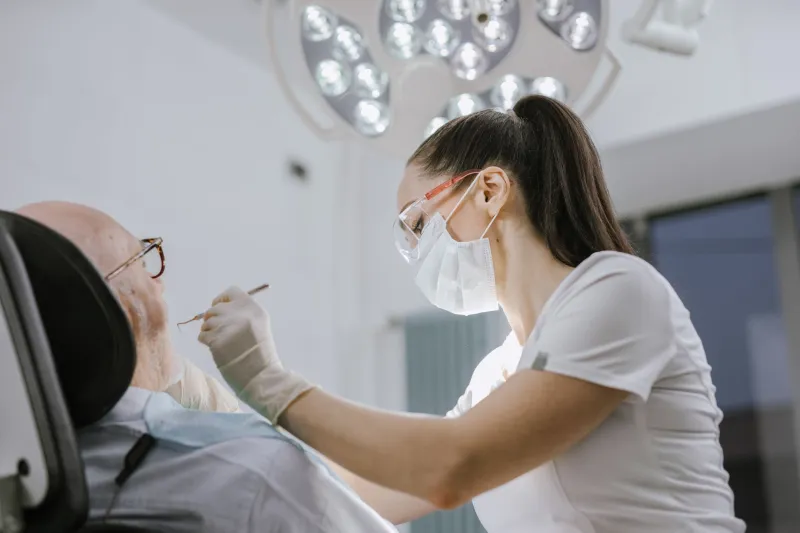
Your Dentist as Immune Ally: How Oral Health Shapes Your Body's Ability to Fight Infection
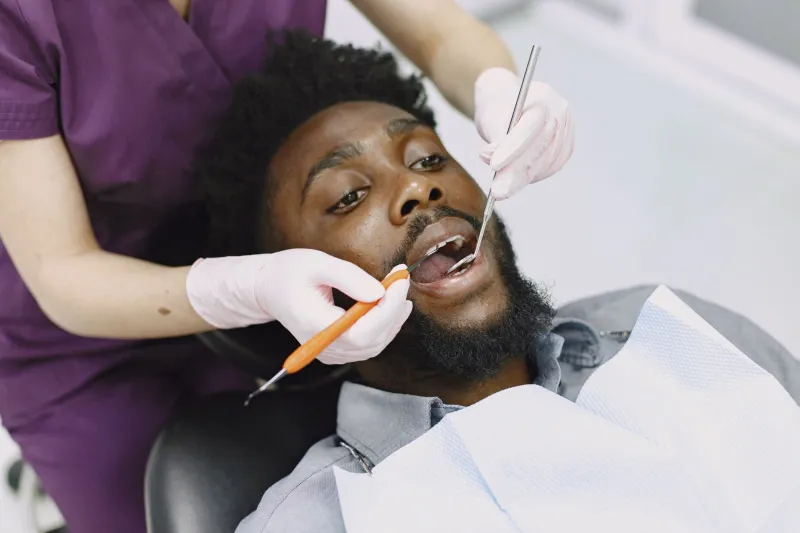
Most Americans visit their dentist to preserve a bright smile or prevent cavities—practical, visible goals that are easy to understand. But growing evidence from immunology and oral medicine research suggests the stakes of that dental appointment extend far beyond your teeth and gums. What happens inside your mouth has a measurable, sometimes dramatic effect on how well your entire body defends itself against infection, chronic inflammation, and disease.
At RAK Dental Clinic, comprehensive care has always meant looking at the whole patient—not just the individual tooth. The science emerging around the mouth-immune system connection affirms exactly that philosophy.
A Microbial Ecosystem With Systemic Reach
The human mouth harbors more than 700 species of bacteria, making it one of the most complex microbial environments in the body. Under healthy conditions, this ecosystem is carefully balanced—beneficial microbes coexist with potentially harmful ones, and the immune system maintains a watchful, measured response.
When that balance is disrupted—by poor oral hygiene, infrequent professional cleanings, dietary habits, or dry mouth caused by medications—opportunistic pathogens begin to proliferate. The immune system responds by triggering inflammation, which is its standard first-line defense. The problem arises when that inflammatory response becomes chronic rather than acute.
Persistent low-grade inflammation in the gums, known clinically as periodontitis, does not stay contained to the oral cavity. Research published in journals including the Journal of Clinical Periodontology and Immunity has demonstrated that oral bacteria can enter the bloodstream through compromised gum tissue—a process that occurs with surprising ease, even during routine activities like chewing or brushing inflamed gums. Once circulating, these bacteria and their byproducts can provoke immune reactions in distant organs and tissues.
The Bidirectional Relationship: When Immunity Affects Oral Health, Too
The connection between oral health and immune function is not a one-way street. Just as poor gum health can compromise systemic immunity, a weakened immune system—whether from autoimmune conditions, chemotherapy, diabetes, or chronic stress—can dramatically worsen oral health.
Patients managing conditions like rheumatoid arthritis, lupus, or HIV often experience accelerated periodontal disease, oral ulcers, and increased susceptibility to fungal infections such as oral candidiasis. This bidirectional dynamic means that the mouth functions as both a window into immune health and an active participant in regulating it.
For patients with diabetes, the relationship is particularly well-documented. Elevated blood sugar impairs the function of neutrophils—white blood cells essential for fighting oral bacteria—making diabetic patients significantly more vulnerable to gum disease. Conversely, severe periodontitis has been shown to worsen glycemic control, creating a cycle that is difficult to break without addressing both conditions simultaneously.
What Routine Cleanings Actually Do for Your Immune System
A professional dental cleaning may seem like a straightforward procedure: scaling away tartar, polishing enamel, and probing gum pockets. But from an immunological standpoint, that appointment accomplishes something considerably more significant.
Tartar—calcified bacterial deposits that cannot be removed by brushing alone—serves as a persistent reservoir of pathogenic bacteria. When a dental hygienist removes these deposits, they are physically eliminating a source of chronic immune activation. Studies have shown that patients who undergo regular professional cleanings exhibit lower systemic markers of inflammation, including C-reactive protein (CRP), a compound the liver produces in response to inflammatory signals from throughout the body. Elevated CRP is associated with increased risk for cardiovascular disease, stroke, and other serious conditions.
In practical terms, scheduling and keeping those biannual cleaning appointments is one of the most direct interventions a person can make to reduce their body's overall inflammatory burden—without a prescription or a specialist referral.
Oral Bacteria and Specific Disease Pathways
Researchers have identified several specific oral pathogens that appear to play roles in systemic disease development:
- Porphyromonas gingivalis, a primary driver of chronic periodontitis, has been detected in atherosclerotic plaques in cardiac arteries. Its ability to evade and manipulate immune responses makes it particularly dangerous once it enters systemic circulation.
- Fusobacterium nucleatum, another periodontal pathogen, has been found in colorectal tumor tissue, prompting active investigation into whether oral bacteria contribute to certain cancer microenvironments.
- Streptococcus mutans, best known for causing tooth decay, has been linked in some research to infective endocarditis—a serious infection of the heart's inner lining—in patients with certain cardiac vulnerabilities.
None of this is meant to inspire alarm. The vast majority of people with oral bacteria do not develop these conditions. But the research does underscore that maintaining a healthy oral environment is not merely cosmetic—it is a legitimate component of comprehensive health maintenance.
Gum Health During Critical Life Stages
The immune-oral health relationship is especially consequential during specific periods of life when immune function is already under additional strain.
Pregnancy: Hormonal fluctuations during pregnancy increase gum sensitivity and susceptibility to inflammation. Pregnancy gingivitis is common and, if left unaddressed, can progress to periodontitis. Research has associated severe periodontal disease in pregnant women with elevated risk of preterm birth and low birth weight—outcomes connected to inflammatory cytokines that may influence uterine activity.
Older Adulthood: Immunosenescence—the gradual decline in immune function that accompanies aging—makes older adults more vulnerable to both oral infections and systemic consequences of oral bacteria. Aspiration pneumonia, for example, is a significant cause of illness and death among elderly patients in care settings, and oral bacteria are frequently implicated as causative agents when inhaled into the lungs.
Post-Surgical and Immunocompromised Patients: Individuals recovering from organ transplants, cancer treatment, or major surgery are often counseled by their medical teams to achieve stable oral health before procedures, precisely because the immune system is too taxed to manage additional bacterial challenges.
What You Can Do Between Appointments
The professional care your dental team provides is foundational, but daily home habits determine much of what your dentist encounters at each visit. To support both oral and immune health:
- Brush thoroughly twice daily using a soft-bristled toothbrush and fluoride toothpaste, paying careful attention to the gumline where bacterial accumulation is highest.
- Floss or use an interdental cleaner daily to disrupt the bacterial biofilm between teeth that a toothbrush cannot reach.
- Stay well-hydrated to support saliva production—saliva contains immunoglobulins and antimicrobial proteins that serve as the mouth's first biochemical defense.
- Avoid tobacco in all forms, as smoking dramatically impairs gum circulation and suppresses the local immune response in oral tissues.
- Discuss any new medications with your dentist, since many common drugs cause dry mouth, which removes a critical layer of natural immune protection.
Seeing Your Dentist as Part of Your Healthcare Team
The traditional model of healthcare has long treated dentistry as a separate discipline from medicine. That separation is increasingly difficult to justify in light of what science continues to reveal about oral-systemic connections. Dentists are uniquely positioned to detect early signs of immune dysfunction—unusual oral lesions, persistent ulcers, accelerated bone loss, or gum changes that may signal systemic conditions—often before other symptoms become apparent.
At RAK Dental Clinic, every examination is conducted with that broader context in mind. A healthy smile is the goal, but a healthy patient is the purpose. By treating your dental care as an integral component of your overall health strategy—not an afterthought—you give your immune system one of the most meaningful forms of support available.
Your next cleaning appointment is closer than you think to being an act of genuine, whole-body preventive care.