Your Mouth at Every Age: A Decade-by-Decade Guide to Protecting Your Teeth and Gums

Most people approach dental care as though it were a single, static routine—brush twice daily, floss, show up for a cleaning every six months, and call it done. In reality, the mouth is a living system that changes continuously. The concerns facing a 22-year-old college student are fundamentally different from those confronting a 58-year-old approaching retirement. Enamel thins, gum tissue recedes, hormones fluctuate, medications accumulate, and years of dietary choices leave their mark. A truly comprehensive approach to oral health means understanding what is happening inside your mouth right now—and what is coming next.
At RAK Dental Clinic, we believe that knowledge is the foundation of prevention. The more clearly our patients understand how aging affects their smiles, the better equipped they are to make decisions that protect their teeth for a lifetime.
The Childhood and Teenage Years: Building the Foundation
Long before adulthood, the groundwork for lifelong oral health is being laid. Primary teeth serve as placeholders and guides for permanent teeth, and their condition directly influences how adult teeth erupt and align. Cavities in baby teeth are not trivial—they can cause pain, affect speech development, and lead to premature tooth loss that disrupts permanent tooth positioning.
The teenage years introduce new complications. Orthodontic treatment is most commonly initiated during this period, as the jaw is still developing and teeth are more responsive to repositioning forces. However, adolescence also brings increased sugar consumption, irregular sleep schedules that lead to late-night snacking, and—for many teens—the beginning of sports participation that raises the risk of dental trauma. Mouthguards are not optional for contact sports; they are essential protection for teeth that must last another 70 or more years.
One underappreciated threat during the teenage years is the early arrival of wisdom teeth. Monitoring their development through periodic X-rays allows dentists to intervene before impaction or crowding becomes a serious problem.
Your Twenties: Confidence and Hidden Risks
The twenties are often a period of peak physical confidence, and the teeth tend to look their best during this decade. Enamel is at or near maximum thickness, gum tissue is resilient, and cosmetic concerns like whitening or minor alignment corrections are highly effective at this stage.
Nevertheless, the twenties carry real risks that many young adults overlook. Dietary habits—frequent coffee, energy drinks, acidic foods, and alcohol—begin eroding enamel in ways that accumulate invisibly. This is also when many Americans lose their dental insurance coverage through their parents' plans and, facing tight budgets, begin skipping routine checkups. That gap in preventive care can allow small cavities and early gum inflammation to progress undetected.
For patients in their twenties, the priority should be establishing a consistent preventive routine, addressing any lingering orthodontic concerns, and discussing professional whitening options if cosmetic appearance is a goal. This is also an excellent time to ask your dentist about sealants on molars if they were not applied during childhood.
Your Thirties: When Life Gets Complicated
The thirties introduce a set of oral health challenges that are closely tied to broader life changes. Pregnancy is one of the most significant. Hormonal shifts during pregnancy increase the risk of pregnancy gingivitis—a form of gum inflammation that affects a substantial portion of expectant mothers. Left unmanaged, this condition can progress to more serious periodontal disease. Routine dental visits during pregnancy are not only safe; they are actively recommended by dental and obstetric professionals alike.
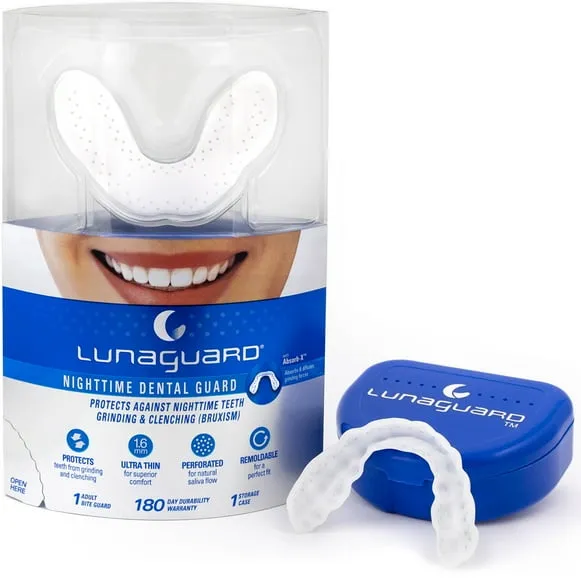
Stress is another defining feature of this decade for many Americans. Career pressures, young children, financial responsibilities—all of these contribute to elevated cortisol levels, which have been linked to increased gum disease susceptibility. Stress also fuels bruxism, or teeth grinding, often during sleep. Patients who wake with jaw soreness or headaches should mention this to their dentist, as a custom nightguard can prevent significant enamel wear before it becomes irreversible.
Cosmetic dentistry begins to attract more interest during the thirties as well. Veneers, bonding, and professional whitening are popular choices for patients who want to address staining, minor chips, or spacing issues.
Your Forties: The Turning Point Decade
Many dental professionals describe the forties as the decade where the cumulative effects of earlier habits become undeniable. Enamel erosion that began in the twenties may now be causing noticeable sensitivity. Old dental restorations—fillings placed ten or twenty years ago—may be failing or developing secondary decay around their margins. Gum recession, even if minor, may be making teeth appear longer and creating pockets where bacteria accumulate.
Periodontal health deserves particular attention during this decade. Gum disease is a progressive condition, and patients who have experienced even mild gingivitis in earlier years should be vigilant about more frequent professional cleanings. Research continues to strengthen the connection between periodontal disease and systemic conditions such as cardiovascular disease and type 2 diabetes—conditions that themselves become more prevalent in the forties.
This is also the decade when many patients begin exploring more comprehensive cosmetic solutions. Porcelain veneers, dental implants to replace teeth lost in earlier decades, and full smile evaluations become increasingly common requests.
Your Fifties: Navigating Hormonal and Medication-Related Changes
For women, the onset of perimenopause and menopause brings hormonal changes that directly affect oral tissues. Declining estrogen levels can reduce saliva production, cause burning mouth sensations, and accelerate bone density loss in the jaw—the very structure that anchors teeth. Dry mouth, or xerostomia, is not merely uncomfortable; it dramatically increases cavity risk because saliva plays a critical role in neutralizing acids and remineralizing enamel.
Medications become a more significant factor in the fifties as well. Antihypertensives, antidepressants, antihistamines, and dozens of other commonly prescribed drugs list dry mouth as a side effect. Patients should always provide their dentist with a complete and updated medication list so that appropriate preventive strategies can be recommended.
Cosmetically, tooth discoloration tends to deepen in this decade, and the cumulative effects of a lifetime of use may leave teeth looking worn or shorter. Restorative and cosmetic treatments that address both function and appearance—such as crowns, implants, and comprehensive smile redesigns—are frequently discussed during this life stage.
Your Sixties and Beyond: Preservation and Quality of Life
The primary goal in the senior years is preservation. Tooth loss, once considered an inevitable part of aging, is now understood to be largely preventable with consistent care. Nevertheless, the challenges are real. Root surfaces become more exposed as gums recede, and root caries—cavities that form on the root rather than the crown of the tooth—are more common in older adults. Bone density loss can affect the stability of existing teeth and the feasibility of implant placement.
For patients who have experienced tooth loss, modern restorative options are more effective and natural-looking than ever. Dental implants, implant-supported dentures, and precision-fitted partial dentures can restore both function and confidence. Chewing ability directly influences nutritional intake and overall health, making restorative dentistry a genuine quality-of-life issue in the senior years.
Cognitive changes and physical limitations—arthritis that makes brushing difficult, for instance—may require adapted hygiene strategies. Electric toothbrushes, floss picks, and water flossers can make a meaningful difference for patients whose manual dexterity has declined.
The Common Thread: Consistent, Proactive Care
Across every decade, one principle holds constant: the most effective dental care is the care that happens before problems become serious. Routine examinations allow your dentist to detect early-stage issues—whether a hairline crack, early gum inflammation, or a developing cavity—when intervention is least invasive and least expensive.
At RAK Dental Clinic, we tailor our preventive and cosmetic recommendations to where each patient is in their unique oral health journey. A healthy smile at 70 is not an accident; it is the result of decisions made at 25, 35, and every decade in between. We invite you to schedule a comprehensive evaluation and let us help you build a strategy that serves your smile for every year ahead.