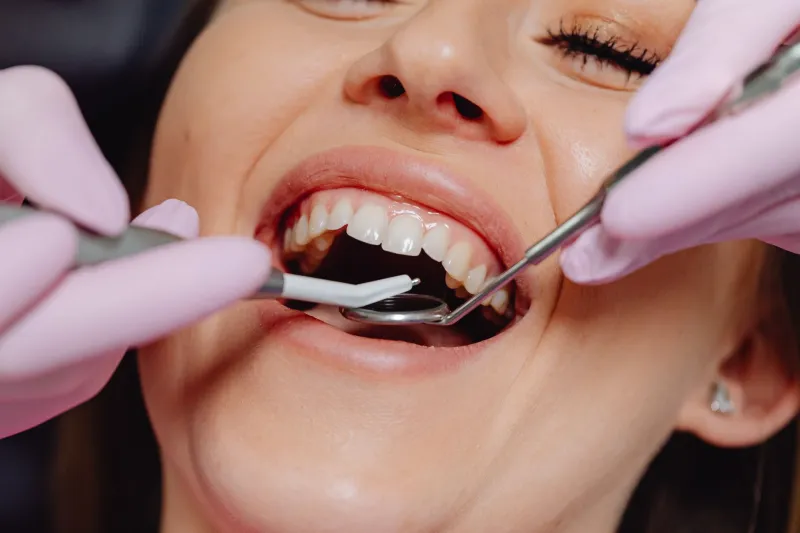
Fear in the Dental Chair Is Not a Character Flaw — It Is a Neurological Response
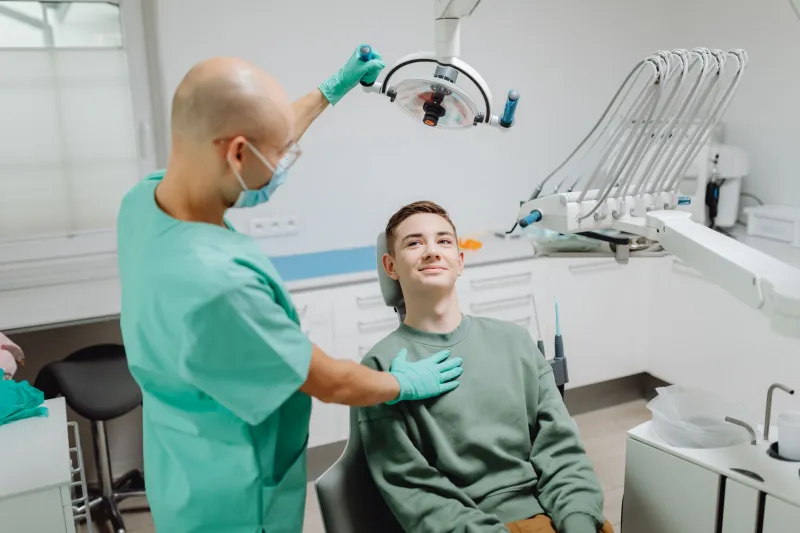
The appointment is scheduled. The reminder arrives. And then, for millions of Americans, something shifts — a low hum of dread that builds in the days preceding the visit, a tightening in the chest on the morning of, and for some, a phone call to cancel that feels like relief even as it perpetuates a cycle they know is harmful. Dental anxiety is not a niche concern. It is one of the most prevalent and clinically consequential forms of situational fear in the country, and for too long it has been met with a response that ranges from dismissive to counterproductive.
Understanding why dental anxiety is so common, so persistent, and so resistant to simple reassurance requires looking at what is actually happening in the brain — and understanding that requires abandoning the assumption that fear of the dentist is irrational.
The Neuroscience of a Very Understandable Fear
The human brain is wired to learn from aversive experiences and to anticipate their recurrence. The amygdala — the structure central to threat detection and fear memory — does not distinguish between a saber-toothed predator and a dental drill. What it registers is: this environment preceded pain. This smell, this sound, this chair, this sensation preceded something my body interpreted as a threat. Avoid.
Dental procedures, particularly those experienced in childhood, involve a combination of sensory inputs that are unusually potent for fear conditioning. The reclined and restrained body position activates vulnerability responses. Sounds in a specific frequency range — including many dental instruments — are processed by the auditory system in ways that trigger alertness. The inability to speak or signal distress during a procedure heightens the sense of loss of control, which is itself a primary driver of anxiety independent of pain.
For patients who experienced painful or poorly managed procedures in the past — particularly during childhood, when the nervous system is especially sensitive and coping resources are limited — these associations can persist for decades with remarkable durability. Avoidance reinforces them. Each cancelled appointment is, from the brain's perspective, a successful escape from threat, which strengthens the neural pathway that prompted the avoidance in the first place.
This is not weakness. It is the nervous system doing precisely what it evolved to do.
When Anxiety Becomes Avoidance — and Avoidance Becomes Crisis
The clinical consequences of dental anxiety extend well beyond discomfort during appointments. Patients who avoid care due to fear consistently present with more advanced dental disease when they do eventually seek treatment — which, in a deeply ironic feedback loop, means that the procedures they require are more extensive, more likely to involve discomfort, and more likely to reinforce the fear that kept them away.
For a meaningful portion of the population, dental avoidance is not measured in months but in years or decades. Patients who have not seen a dentist in five, ten, or fifteen years are not rare. They are a significant and underserved group whose oral health — and by extension, systemic health — has deteriorated in ways that compound over time. The shame and self-consciousness many of these patients feel about the state of their teeth adds an additional psychological layer that makes returning to care feel even more daunting.
This is a public health issue, not merely a personal one. And it demands a clinical response proportionate to its complexity.
How Forward-Thinking Practices Are Redesigning the Experience
Across the country, dental practices that take anxiety seriously are rethinking the patient experience from the ground up — not as a luxury amenity, but as a clinical necessity. The changes span every dimension of the encounter.
Sensory Environment
The traditional dental office was designed around clinical function, with little consideration for how the sensory environment affects patient nervous systems. Contemporary anxiety-informed practices approach the space differently. Lighting is adjusted away from harsh overhead fluorescents toward warmer, softer options. Scent is considered — the sharp chemical smell historically associated with dental offices can be a powerful anxiety trigger, and practices are finding ways to neutralize or replace it. Sound management — through ambient music, noise-canceling headphones offered to patients, and thoughtful equipment placement — addresses one of the most potent sensory cues.
Waiting areas are designed to feel less institutional and more like environments where a person might choose to spend time. These details are not cosmetic. They are the first signals the nervous system receives about whether this is a safe environment, and they matter.
Trauma-Informed Communication
The language clinicians use with anxious patients is itself a clinical tool. Trauma-informed dental care involves training providers to recognize signs of anxiety, to communicate in ways that support rather than undermine a patient's sense of control, and to actively involve patients in decision-making throughout the appointment.
Practical tools include establishing a clear signal — typically a raised hand — that the patient can use to pause treatment at any point without explanation. This single intervention, which costs nothing to implement, has been shown to significantly reduce reported anxiety because it restores the sense of agency that anxiety erodes. Explaining each step before performing it — not as a formality, but as a genuine act of transparency — reduces the element of surprise that the nervous system finds threatening.
Some practices are also integrating motivational interviewing techniques, drawn from behavioral health, to help patients articulate and work through the specific nature of their fear rather than simply being told that the procedure will not hurt.
Clinical Sedation Options
For patients whose anxiety is severe enough that behavioral approaches alone are insufficient, sedation dentistry offers a spectrum of options. Nitrous oxide — commonly known as laughing gas — remains one of the most effective and widely available tools for managing mild to moderate anxiety. Its onset is rapid, its effects are easily titrated, and it clears the system quickly, allowing patients to drive themselves home.
Oral conscious sedation, in which a prescribed medication is taken before the appointment, produces a deeper level of relaxation while allowing the patient to remain responsive. For patients with profound anxiety or those requiring extensive treatment, IV sedation administered by a qualified professional offers the most complete relief. Understanding that these options exist — and that requesting them is entirely appropriate — is something many anxious patients do not know.
Building Trust Over Time
Perhaps the most important and least replicable element of anxiety-informed dental care is the relationship between patient and provider. Anxious patients benefit enormously from continuity — seeing the same clinician, building familiarity with the environment, and experiencing over time that their fear is not dismissed but accommodated. Practices that invest in this continuity report that patients who arrive terrified for their first appointment often become consistent, engaged participants in their own care within a year or two.
This transformation does not happen by accident. It happens because someone decided that a frightened patient deserves the same standard of thoughtful care as any other.
What Anxious Patients Deserve to Know
If you are among the millions of Americans whose dental anxiety has kept you from the care you need, several things are worth holding onto.
Your fear is not irrational, and you are not alone in it. It has a biological basis and a clinical name — dental phobia in its most severe form is recognized as a diagnosable condition. You do not owe anyone an apology for it.
You are entitled to ask questions about how a practice accommodates anxious patients before you commit to an appointment. A practice that responds to that question with dismissiveness or impatience is communicating something important about how they will treat you in the chair.
The state of your teeth, whatever it is, is not a moral failing. It is the consequence of a fear response that kept you away. Dental professionals who understand anxiety understand this, and they are not there to judge the condition of your mouth — they are there to help you improve it.
At RAK Dental Clinic, we believe that every patient deserves to feel safe in our care. If dental anxiety has been a barrier for you, we invite you to tell us — before, during, and after your appointment. That conversation is where comprehensive, genuinely patient-centered care begins.