Your Jaw Is Talking to Your Spine: The Overlooked Link Between Bite Alignment and Body-Wide Pain

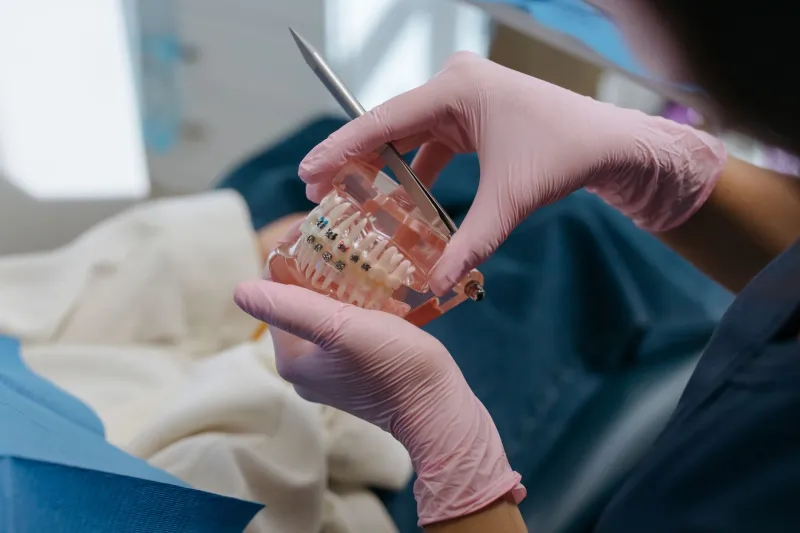
Photo by Photo by Christopher Campbell on Unsplash on Unsplash
When patients describe persistent neck stiffness, tension headaches, or unexplained shoulder discomfort to their physicians, the jaw rarely enters the conversation. Yet for a meaningful subset of those patients, the origin of their discomfort is not a strained muscle or a cervical disc—it is the way their upper and lower teeth meet when they close their mouth.
Dental occlusion, the technical term for how the teeth come together, is one of the most underappreciated variables in musculoskeletal health. Understanding its influence requires stepping outside the conventional boundaries between dental and medical care and recognizing the body as an integrated structural system.
The Architecture of the Bite
The temporomandibular joint—commonly referred to as the TMJ—is the hinge mechanism connecting the lower jaw to the skull. It is one of the most complex joints in the human body, capable of rotation, translation, and lateral movement. This joint operates in close anatomical proximity to the muscles of the neck and upper back, and its positioning is directly influenced by how the teeth occlude.
When the bite is properly aligned, the muscles surrounding the jaw, neck, and shoulders can function in a state of relative equilibrium. When occlusion is off—whether due to missing teeth, worn enamel, an untreated crossbite, or poorly fitted dental restorations—the muscles responsible for jaw positioning must compensate. That compensatory effort does not remain localized to the jaw. It migrates.
The sternocleidomastoid, the trapezius, the suboccipital muscles at the base of the skull—all of these structures are influenced by the resting and functional position of the mandible. A jaw that is chronically displaced even a few millimeters from its ideal position can create persistent tension patterns that manifest as headaches, neck pain, and upper back discomfort.
The Postural Cascade
Human posture operates as a chain. Each segment of the body influences the segments above and below it. The head, weighing approximately ten to twelve pounds, sits atop the cervical spine and is exquisitely sensitive to positional changes. When the jaw is misaligned, the head often shifts subtly to compensate—tilting or rotating in ways that alter cervical curvature and shoulder positioning.
Researchers studying the intersection of dentistry and physical therapy have documented measurable changes in head and neck posture following occlusal corrections in patients with temporomandibular disorders. While this field of study continues to evolve, the clinical observations are consistent: the bite does not exist in isolation from the rest of the body's structural mechanics.
Athletes have become an increasingly important population in this discussion. Competitive performance demands precise neuromuscular coordination, and there is growing evidence that occlusal imbalances can affect bite force symmetry, reaction time, and overall muscular efficiency. Some professional sports teams now incorporate dental occlusion assessments into their athlete health evaluations—a development that reflects how seriously this relationship is being taken at the highest levels of physical performance.
Recognizing the Warning Signs
Because the symptoms of bite misalignment frequently manifest away from the mouth, patients may spend years seeking answers from neurologists, orthopedists, and physical therapists without ever addressing the dental component. Several patterns are worth recognizing:
Chronic headaches that cluster at the temples or base of the skull. The temporalis muscle, which assists in jaw closure, attaches along the side of the skull. Chronic overactivation of this muscle due to a poorly aligned bite is a well-documented source of tension-type headaches.
Jaw clicking, popping, or locking. These sounds and sensations indicate dysfunction within the temporomandibular joint and frequently accompany broader musculoskeletal complaints.
Asymmetrical facial or neck muscle development. Patients who habitually chew on one side due to dental pain or missing teeth may develop noticeable muscle imbalances over time.
Teeth grinding or clenching. Bruxism is both a symptom and an aggravator of bite-related dysfunction. The forces generated during grinding can exceed 250 pounds per square inch, placing extraordinary stress on the joint, surrounding musculature, and tooth structure simultaneously.
Morning stiffness in the jaw, neck, or shoulders. Nighttime clenching and the sustained muscle tension associated with occlusal dysfunction often produce their most noticeable effects upon waking.
The Role of Comprehensive Dental Evaluation
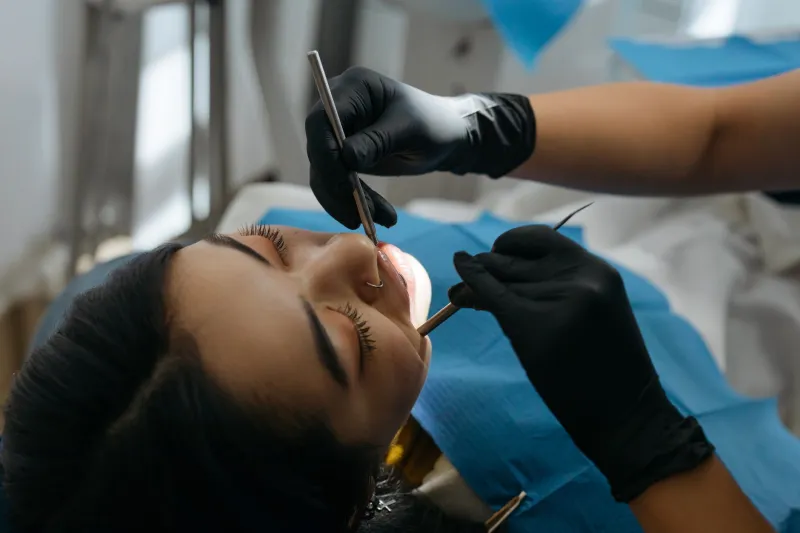
Addressing bite-related musculoskeletal concerns begins with a thorough occlusal assessment. A dentist trained in evaluating temporomandibular function will examine how the teeth meet in various positions, assess the range of motion of the jaw, and identify any asymmetries or areas of premature contact.
Treatment approaches vary considerably depending on the nature and severity of the misalignment. Occlusal splints—custom-fitted appliances worn during sleep—are among the most commonly prescribed initial interventions. They reposition the jaw in a more favorable resting position, reduce the impact of grinding, and allow inflamed musculature to recover.
For patients whose misalignment is structural, orthodontic correction or selective dental restorations may be recommended to achieve a more stable occlusal relationship. In cases where physical therapy has been addressing neck and shoulder complaints without lasting success, collaboration between a dental provider and a musculoskeletal specialist can open new pathways toward resolution.
A Conversation Worth Having
Patients experiencing any combination of jaw discomfort, chronic headaches, unexplained neck tension, or disrupted sleep are encouraged to raise the subject of bite alignment with their dental provider—even if no one has suggested a connection previously. The integration of dental and systemic health perspectives is central to genuinely comprehensive oral care.
The jaw is not merely a chewing mechanism. It is a structural anchor whose position influences how the entire body holds itself upright, manages tension, and performs under physical demand. Treating it as such is not an expansion of dental scope—it is an acknowledgment of how the human body actually works.