Adult Orthodontics Is Having a Moment — And the Reasons Go Deeper Than You Think
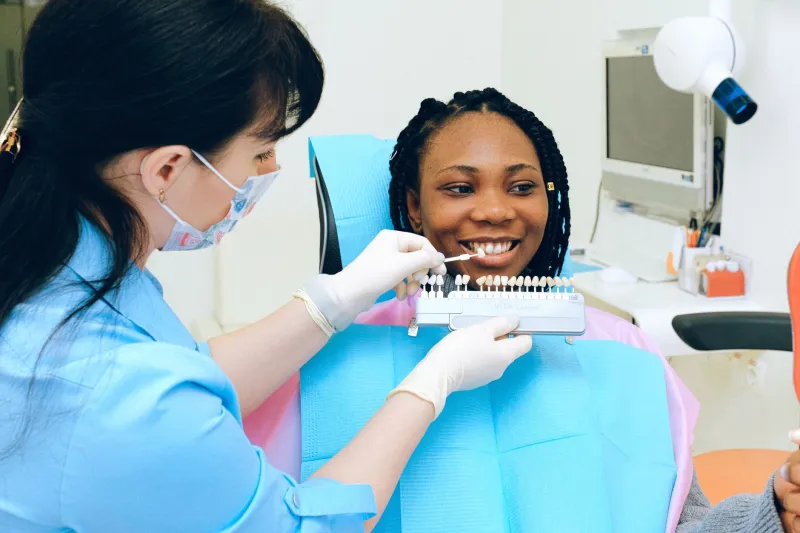
For decades, the image of orthodontic treatment was firmly fixed in adolescence — a rite of passage involving metal brackets, rubber bands, and a countdown to the day the braces came off. That image is being steadily dismantled. Today, adults represent one of the fastest-growing segments of orthodontic patients in the United States, and the reasons they are seeking treatment reveal far more about contemporary life than they do about vanity.
According to the American Association of Orthodontists, more than one in four orthodontic patients in the country is now an adult. The numbers have climbed steadily over the past decade, accelerating noticeably during and after the pandemic years. Understanding what is driving this shift — and what patients on the other side of treatment wish they had known — offers a fuller picture of what adult orthodontics actually involves.
The Motivations Are Rarely Just Cosmetic
When adults describe why they finally pursued orthodontic care, cosmetic improvement is almost never the sole reason. It is frequently a catalyst, but beneath it lies a more layered set of concerns.
For many, a functional problem has been present for years — an overbite that causes jaw discomfort, crowding that makes thorough cleaning nearly impossible, or a crossbite that has quietly accelerated uneven tooth wear. These issues often go unaddressed during childhood for financial, cultural, or logistical reasons. By adulthood, the consequences have accumulated in ways that become difficult to ignore.
Professional life plays a significant role as well. Research consistently demonstrates that smile aesthetics influence how others perceive competence and approachability. Many adults entering high-visibility careers — or pivoting into new ones — recognize that their smile is part of how they present themselves. This is not superficiality; it is an honest acknowledgment of how social perception operates in American professional culture.
For others, the motivation is more personal. Midlife often brings a renewed investment in self-care and long-term health. Adults who spent their twenties and thirties managing careers, children, and competing financial demands frequently arrive at their forties with both the resources and the intention to address things they set aside.
The Emotional Terrain Nobody Prepares You For
What surprises many adult orthodontic patients most is not the physical discomfort — it is the emotional complexity of the process.
A number of patients describe something that might be called retrospective grief: a quiet sadness over the years spent living with a misalignment that affected their confidence, their willingness to smile openly in photographs, or their comfort in social situations. Correcting the problem brings relief, but it can also surface a recognition of what those years cost them in small, cumulative ways.
This is a legitimate and underexplored dimension of adult orthodontic treatment. Dental professionals who work extensively with adult patients note that acknowledging this emotional component — rather than dismissing it — is an important part of comprehensive patient care. Feeling something when your smile changes after decades is not an overreaction. It is a human response to a meaningful shift in how you experience yourself.
There is also the visible reality of being an adult in treatment. Despite the widespread adoption of clear aligner systems such as Invisalign, not every case is suitable for aligners alone. Some adults find themselves in traditional brackets or hybrid approaches. Navigating professional environments, social gatherings, and first dates while in active orthodontic treatment requires a kind of resilience that younger patients rarely have to exercise in the same way.
What Clear Aligners Changed — and What They Did Not
The rise of clear aligner technology genuinely transformed adult uptake of orthodontic care. The discretion aligners offer removed one of the most significant psychological barriers for working professionals and older adults who were unwilling to return to the aesthetic of adolescence.
However, the proliferation of direct-to-consumer aligner products — companies that bypass in-person clinical oversight — introduced a set of complications that many patients discovered only after the fact. Orthodontic treatment is not simply a matter of moving teeth into a prettier arrangement. It involves bone remodeling, root health, bite mechanics, and long-term retention planning. Without proper clinical supervision, mistakes can occur that require more extensive and expensive correction than the original misalignment would have.
Professionally supervised aligner treatment, conducted by a qualified dentist or orthodontist who takes comprehensive records and monitors progress in person, remains the standard that protects patients from these risks. Adults drawn to the convenience of at-home models should understand clearly what they may be trading away.
What Patients Wish They Had Known Before Starting
Conversations with adults who have completed orthodontic treatment reveal a consistent set of things they wish someone had explained upfront.
Retention is permanent. The most common misconception among adults entering orthodontic treatment is that the process ends when the braces or aligners come off. In reality, teeth have a natural tendency to shift throughout life, and retainer wear — typically nightly, indefinitely — is the only thing that preserves the result. Adults who are not prepared for this commitment sometimes experience relapse and require retreatment.
The timeline may be longer than expected. Adult bone is denser than adolescent bone, which means tooth movement can be slower. Cases that might take twelve months in a teenager may take eighteen to twenty-four months in an adult. Setting realistic expectations from the beginning prevents frustration mid-treatment.
Oral hygiene becomes more demanding. Brackets and wires create additional surfaces where plaque accumulates. Adults who are already managing gum health concerns must be especially diligent during treatment. Clear aligner patients face a different challenge — discipline in removing aligners before eating and cleaning thoroughly before reinserting them.
The result affects more than your smile. Many adults report that correcting bite and alignment issues resolved chronic jaw discomfort, reduced headaches, made professional cleanings more effective, and in some cases improved speech patterns that had been subtly affected by misalignment for years.
A Long-Deferred Investment in Yourself
Adult orthodontics is not a trend born of vanity or the influence of social media filters, though those forces certainly contribute to awareness. At its core, it reflects something more meaningful: a growing recognition that oral health is not separate from overall health, and that it is never too late to address something that has been affecting your life.
The adults who approach orthodontic treatment with clear expectations, professional oversight, and an understanding of the emotional journey they are undertaking consistently report that the investment — in time, money, and patience — was among the most worthwhile decisions they made for themselves. That is a story worth hearing before you decide whether it is the right path for you.
At RAK Dental Clinic, we work with adult patients at every stage of the orthodontic conversation — from initial curiosity to post-treatment retention. If you have been wondering whether treatment makes sense for your situation, we encourage you to begin with an honest, comprehensive consultation. The answers may surprise you.