After the Transformation: A Patient's Complete Guide to Protecting Cosmetic Dental Work in Year One and Beyond

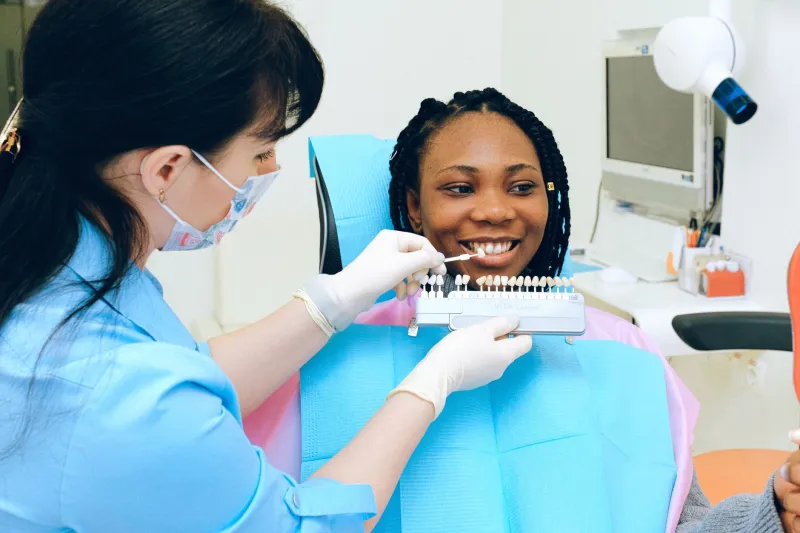
Photo by Photo by Caroline LM on Unsplash on Unsplash
The moment a cosmetic dental treatment is complete, patients often feel that the hard part is behind them. In many ways, it is—the consultations, the preparation appointments, the temporary restorations, and the final placements represent a meaningful journey. But what follows that journey is equally consequential. The first year after any significant cosmetic dental procedure is the period during which the outcome is either solidified or quietly undermined, often by factors patients were never fully informed about.
At RAK Dental Clinic, we believe that informed patients achieve better long-term results. This guide addresses the maintenance realities of the most common cosmetic treatments and provides a clear-eyed view of what to expect as time passes.
Why the First Year Is Distinctly Important
Cosmetic dental materials—whether porcelain veneers, composite bonding, professional whitening, or titanium implants—each have a period of initial stabilization. During this phase, the oral environment is adjusting to the new restorations, gum tissue is settling around margins, and the patient is adapting new habits around their enhanced smile.
Mistakes made in this window are disproportionately damaging. A veneer dislodged in the first year due to biting on hard foods may require full replacement rather than rebonding. Whitening results that fade within months are frequently attributable to dietary habits resumed too quickly after treatment. Implant complications that arise in the first twelve months often trace back to insufficient healing protocols or premature mechanical stress.
Year one is not simply a waiting period—it is an active phase of stewardship.
Veneers: What the Settling Process Actually Looks Like
Porcelain veneers are among the most transformative cosmetic interventions available, capable of addressing discoloration, minor misalignment, chips, and proportion concerns simultaneously. Their longevity—commonly cited as ten to twenty years with proper care—is highly dependent on patient behavior in the period immediately following placement.
In the first several weeks, patients may notice heightened sensitivity, particularly to temperature. This is a normal response to the enamel preparation process and typically resolves within four to eight weeks as the teeth adapt. Sensitivity that persists or intensifies beyond that window warrants a follow-up evaluation.
During the first year, patients should observe the following:
- Avoid biting directly into hard foods with the veneered teeth. Items such as raw carrots, hard rolls, ice, and hard candy place concentrated shear forces on veneer margins.
- Wear a nightguard if bruxism is present. Grinding forces are among the leading causes of premature veneer fracture. If a custom nightguard was not part of the original treatment plan, this conversation should happen before the first year concludes.
- Maintain meticulous hygiene at the gumline. Veneers do not protect the underlying tooth from decay, and the margins where the veneer meets natural tooth structure require careful brushing and flossing.
By the end of year one, most patients will have adapted naturally to their veneers and will require only routine maintenance appointments to monitor margin integrity and surface luster.
Whitening: The Rebound Window
Professional whitening—whether performed in-office or through custom take-home trays—achieves results by temporarily opening the enamel's porous structure to allow bleaching agents to act on intrinsic staining. In the 24 to 72 hours following treatment, those pores remain more open than usual, making teeth acutely susceptible to restaining.
This is the period most patients manage poorly. Resuming coffee, red wine, tea, dark berries, or tomato-based sauces immediately after whitening can undo a meaningful portion of the treatment's effect within days. The standard guidance—often called the "white diet" protocol—recommends avoiding chromogenic foods and beverages for at least 48 hours post-treatment.
Beyond the immediate window, the longevity of whitening results depends substantially on two factors: the source of the original staining and the patient's ongoing habits. Extrinsic staining from dietary pigments responds well to whitening and can be managed with periodic touch-up treatments, typically every six to twelve months. Intrinsic discoloration, which originates within the tooth structure itself, may require more frequent or more intensive intervention.
Patients who use custom take-home trays provided by their dentist tend to achieve more durable results than those who rely solely on over-the-counter products, primarily because the professional-grade concentration and precise tray fit ensure consistent coverage.
Bonding: A More Delicate Investment
Composite resin bonding is a versatile, relatively affordable cosmetic option for addressing chips, gaps, and surface irregularities. It is, however, more susceptible to staining and wear than porcelain, and this distinction should shape patient expectations from the outset.
Bonding material is more porous than natural enamel and more prone to absorbing pigment from coffee, tobacco, and dark-colored foods. In the first year, aggressive dietary habits can noticeably discolor bonded areas, creating a contrast with adjacent natural teeth.
Physically, bonding is not designed to withstand the same forces as ceramic restorations. Patients who bite their nails, chew on pens, or open packaging with their teeth are at elevated risk of chipping bonded surfaces. The repair process is straightforward, but repeated repairs indicate that a more durable solution may warrant consideration.
With diligent care, bonding can maintain its appearance for three to seven years before requiring renewal—a timeline that can be extended meaningfully through attentive maintenance.
Implants: The Osseointegration Year
Dental implants operate on a biological rather than mechanical timeline. The titanium post placed into the jawbone requires a period of osseointegration—the process by which bone tissue grows around and bonds to the implant surface. This process typically spans three to six months, though the surrounding soft tissue continues to mature for up to a year.
During this period, the implant site must be protected from excessive mechanical stress. Patients with implants in the posterior arch should be particularly cautious about chewing hard or particularly chewy foods on that side until osseointegration is confirmed radiographically.
Oral hygiene around implants deserves special attention. While implants themselves cannot develop cavities, the gum tissue and bone supporting them are vulnerable to peri-implant disease—an inflammatory condition analogous to gum disease that is the leading cause of long-term implant failure. Flossing around the implant crown, using an interdental brush, and attending regular professional cleanings are non-negotiable components of implant maintenance.
Building a Year-One Maintenance Routine
Regardless of the specific cosmetic treatment received, several practices apply universally during the first year and beyond:
- Schedule follow-up appointments at the intervals your dentist recommends. Many patients attend their completion appointment and then disappear until a problem arises. Scheduled check-ins allow early detection of any issues with margins, fit, or tissue response.
- Communicate changes promptly. Sensitivity, movement, discoloration, or discomfort that develops after treatment is not something to monitor indefinitely at home. Early intervention almost always produces better outcomes than delayed response.
- Invest in a custom nightguard if you have any history of clenching or grinding. This single step protects virtually every category of cosmetic restoration.
- Reassess your hygiene tools. A soft-bristled toothbrush, non-abrasive toothpaste, and appropriate flossing technique are the foundation upon which all cosmetic longevity rests.
The Long View
Cosmetic dentistry is not a one-time event—it is the beginning of a maintenance relationship between patient and provider. The treatments available today are remarkably capable of producing durable, natural-looking results, but their longevity is always a shared responsibility. Patients who engage actively with their aftercare protocols consistently enjoy outcomes that endure far longer than those who treat the completion appointment as a finish line.
Your investment in your smile deserves to be protected with the same intention that went into creating it.