When Stress Becomes a Dental Emergency: Understanding Bruxism, Jaw Tension, and the Quiet Destruction Happening While You Sleep
For most Americans, stress is an unwelcome constant — woven into demanding work schedules, financial pressures, and the relentless pace of modern life. What fewer people realize is that stress doesn't stay in the mind. It travels. It settles into the jaw, tightens the muscles of the face, and — most destructively — expresses itself through the teeth during the hours when the body is supposed to be at rest.
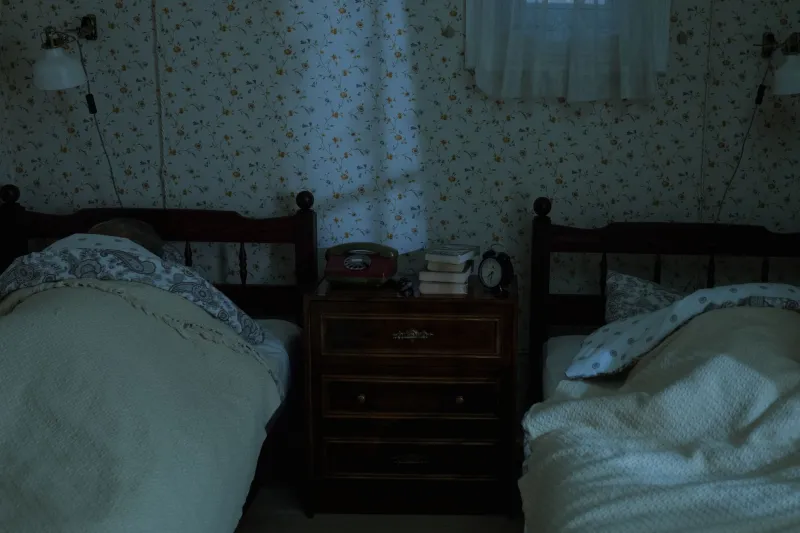
The result is a condition called bruxism: the habitual grinding or clenching of teeth, most often during sleep. It is remarkably common, affecting an estimated 10 to 15 percent of adults in the United States, and yet a significant portion of those individuals have no idea it is happening. There is no alarm, no obvious pain in the moment, and no immediate signal that anything is wrong. The damage, however, accumulates quietly — and by the time most patients notice, it has already become serious.
The Stress-to-Teeth Pipeline
Understanding how psychological stress translates into physical dental harm requires a brief look at how the nervous system responds to pressure. When the body perceives stress — whether from a difficult deadline, a troubled relationship, or financial anxiety — it activates a low-grade version of the fight-or-flight response. Muscles tighten. The jaw, in particular, becomes a repository for unresolved tension.
During waking hours, most people can consciously catch themselves clenching. At night, that self-regulation disappears entirely. The jaw moves in repetitive grinding motions or holds sustained clenching pressure that can reach up to 250 pounds of force per square inch — far exceeding the force generated during normal chewing. Over months and years, this level of pressure wears down enamel, fractures teeth, strains the temporomandibular joint (commonly called the TMJ), and causes measurable changes to the structure of the bite.
The connection between psychological state and dental health is not incidental. Studies have consistently linked elevated stress and anxiety levels with higher rates of bruxism. The COVID-19 pandemic, for instance, prompted a notable increase in patients presenting with bruxism-related symptoms, as dentists across the country observed firsthand.
Warning Signs You Should Not Ignore
Because bruxism occurs during sleep, patients often rely on indirect evidence to suspect they have it. The following symptoms are among the most telling:
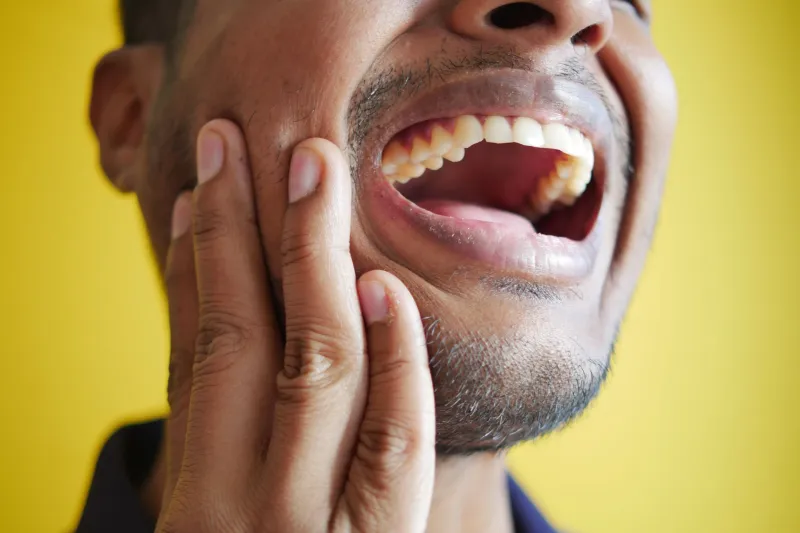
Persistent morning jaw soreness or facial pain. Waking with a dull ache around the jaw, temples, or ears is one of the most consistent indicators that grinding occurred overnight.
Headaches concentrated at the temples. The temporalis muscle — which runs along the side of the skull and assists in jaw movement — becomes fatigued under repeated nocturnal clenching. Tension headaches that begin at the temples and arrive predictably in the morning are a common result.
Tooth sensitivity that wasn't there before. As enamel erodes from grinding, the underlying dentin becomes exposed. This can produce sudden sensitivity to hot, cold, or sweet foods that patients may mistakenly attribute to other causes.
Flattened, chipped, or visibly worn teeth. A dentist examining the teeth may notice unusual flattening of the biting surfaces, small chips along the edges, or enamel that appears translucent near the tips — all classic signs of grinding wear.
A partner reporting grinding sounds during the night. In some cases, bruxism produces an audible grinding noise that a sleeping partner notices before the patient does.
Clicking, popping, or limited movement in the jaw. These are hallmarks of TMJ disorder, which frequently develops alongside or as a consequence of chronic bruxism. The joint becomes inflamed and strained, resulting in discomfort during chewing, yawning, or even speaking.
If several of these symptoms are familiar, a professional evaluation is warranted. Many patients are surprised to learn how much damage has already occurred — and equally surprised to learn how effectively it can be addressed.
What Happens If Bruxism Goes Untreated
Left unmanaged, the consequences of chronic grinding extend well beyond surface-level wear. Enamel, unlike bone, does not regenerate. Once it is gone, it is gone permanently, leaving teeth increasingly vulnerable to decay, fracture, and temperature sensitivity. Severely worn teeth may require crowns, veneers, or more extensive restorative work to rebuild their structure and function.
TMJ disorders, if allowed to progress, can become genuinely debilitating. Chronic jaw pain, difficulty opening the mouth fully, referred pain into the neck and shoulders, and even changes in the alignment of the bite are all possible outcomes. Treatment at that stage becomes considerably more complex and costly than intervention at an earlier point.
There is also a feedback loop worth noting: the pain and disrupted sleep caused by untreated bruxism tend to elevate stress levels further, which in turn perpetuates the grinding behavior. Breaking that cycle requires addressing both the dental consequences and the underlying contributors.
Professional Treatments That Make a Difference
Modern dentistry offers several well-established approaches to managing bruxism and its effects, and the appropriate course of treatment depends on the severity of the condition and the degree of damage already present.
Custom night guards are the most widely used first-line intervention. Unlike the generic, over-the-counter versions available at pharmacies, a professionally fabricated night guard is custom-fitted to the patient's bite. It creates a protective barrier between the upper and lower teeth, absorbing and redistributing the forces generated during grinding. Patients typically report a significant reduction in morning jaw soreness within the first few weeks of consistent use.
Occlusal adjustments may be recommended when the bite itself is contributing to the problem. If certain teeth meet with uneven pressure, a dentist can make precise modifications to the biting surfaces to encourage a more balanced distribution of force.
Restorative care becomes necessary when grinding has already caused structural damage. Depending on the extent of wear, this may involve bonding, porcelain veneers, or full crowns to restore the original shape, strength, and appearance of affected teeth.
Botulinum toxin (Botox) injections into the masseter muscle — the large jaw muscle primarily responsible for clenching force — have emerged as an effective treatment for severe bruxism cases that do not respond adequately to other interventions. By temporarily reducing the strength of the masseter's contractions, these injections can provide meaningful relief from both the grinding behavior and its associated pain.
Referral for stress management support is something that dental professionals increasingly recognize as part of comprehensive care. Cognitive behavioral therapy, biofeedback, and mindfulness-based practices have demonstrated efficacy in reducing bruxism frequency when the root cause is psychological stress. Treating the teeth without addressing the underlying driver offers only partial protection.
Taking the First Step
Bruxism is not a character flaw or a sign of weakness — it is a physiological response to the pressures that modern American life places on the human body. What it should not be is a condition allowed to quietly erode years of dental health simply because it happens out of sight.
If any of the warning signs described here resonate with your experience, the most important action you can take is to schedule a comprehensive dental evaluation. A trained clinician can identify the telltale signs of grinding and clenching, assess the current state of your teeth and jaw joint, and recommend a targeted treatment plan before the damage advances further.
At RAK Dental Clinic, we approach each patient's oral health as a complete picture — one that accounts for the physical, functional, and lifestyle factors that influence the condition of your teeth. Protecting your smile means understanding everything that threatens it, including the stress you carry home at the end of the day.