The Hidden Price of Bargain Dentistry Abroad: When Overseas Implants and Veneers Come Home to Fail
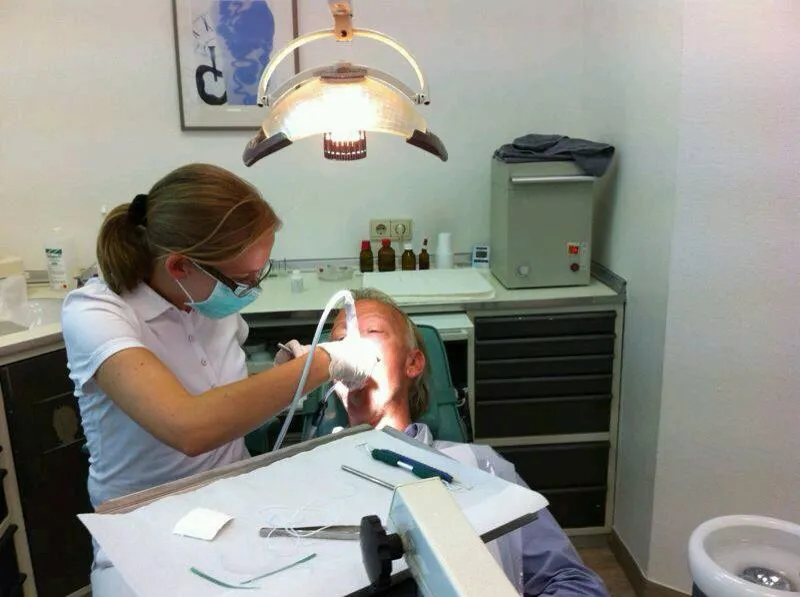
Photo: 95Berlin, CC BY-SA 2.5, via Wikimedia Commons
The advertisements are persuasive. Full-mouth implant restorations for a fraction of American prices. Porcelain veneers completed in a single week in Cancún or Budapest or Bangkok. Dental vacations that promise both a transformed smile and a memorable international experience, all packaged at a price that seems almost too good to ignore.
For a significant and growing number of Americans, the promise proves too compelling to resist. Dental tourism — the practice of traveling internationally for lower-cost dental procedures — has expanded into a multi-billion-dollar global industry. Estimates suggest that between 750,000 and 1.2 million Americans seek dental care abroad each year, motivated primarily by the staggering cost differential between US dental prices and those in popular destination countries.
What the advertisements do not feature are the patients who return home with failing implants, fractured veneers, undetected infections, and the dawning recognition that they now face a repair bill that exceeds what they would have spent had they never left.
Understanding the Appeal
The financial logic of dental tourism is not irrational on its face. A single dental implant in the United States, including the crown and abutment, typically costs between $3,000 and $5,000. The same procedure in Mexico may be quoted at $900 to $1,500. For a patient requiring multiple implants or a full-arch restoration, the apparent savings can reach tens of thousands of dollars.
In a country where dental insurance remains inadequate for major restorative work — with most plans capping annual benefits at $1,000 to $2,000 — the appeal of traveling for affordable care reflects a genuine systemic failure in American healthcare access. Patients who pursue dental tourism are not making foolish decisions. They are responding rationally to a broken system.
The problem is not the motivation. The problem is what frequently awaits them.
Where Things Go Wrong
The complications associated with substandard dental tourism fall into several distinct categories, each with its own clinical and financial consequences.
Implant Failure Due to Inadequate Assessment
Successful implant placement requires thorough pre-surgical evaluation: cone beam computed tomography (CBCT) imaging to assess bone density and volume, comprehensive periodontal health assessment, and careful planning of implant positioning relative to adjacent anatomy. In high-volume, price-competitive international practices, this evaluation is frequently abbreviated or skipped entirely in the interest of speed and cost reduction.
Consider the experience of a 47-year-old patient from Ohio — a composite representative of cases seen at practices like RAK Dental Clinic — who traveled to a popular dental tourism destination for four implants at a quoted price of approximately $4,800 total. The procedure was completed over five days. No CBCT imaging was performed; the clinic relied on standard two-dimensional radiographs. Within fourteen months of returning home, two of the four implants had failed — one due to insufficient bone volume, one due to what an American oral surgeon identified as peri-implantitis resulting from inadequate surgical technique.
The cost of removing the failed implants, performing bone grafting to restore lost volume, allowing adequate healing time, and placing new implants domestically: approximately $14,000 — nearly three times the original international quote for all four implants.
Veneer Complications and Premature Failure
Porcelain veneers, when placed correctly on properly prepared teeth by a skilled ceramist and clinician, can last fifteen to twenty years. When placed incorrectly — on teeth that were over-prepared, on patients whose bite was not properly evaluated, or using inferior ceramic materials — they can fail within months.
Common complications seen in patients returning from international veneer procedures include: veneers debonding from inadequately prepared enamel surfaces; fractures resulting from unaddressed bite issues; gum inflammation caused by veneers with poor marginal fit that trap bacteria; and, in severe cases, tooth sensitivity and pulpal damage resulting from excessive tooth reduction without appropriate sedation or precision technique.
The repair or replacement of a full set of failed veneers — typically ten to twelve teeth — can cost between $15,000 and $25,000 at a domestic practice, assuming the underlying teeth have not been so extensively prepared that more invasive restorations are now required.
Infection and Its Systemic Consequences
Perhaps the most serious category of dental tourism complication involves infection — particularly surgical site infections following implant placement or oral surgery. International dental facilities vary enormously in their sterilization protocols, and patients generally have no reliable mechanism for verifying compliance with the standards enforced in the United States by organizations such as the CDC, OSHA, and state dental boards.
A 2019 case series published in a peer-reviewed oral surgery journal documented multiple patients who presented to US emergency departments with osteomyelitis — a severe bone infection — following implant procedures performed abroad. Treatment required hospitalization, intravenous antibiotics, surgical debridement, and in some cases, the loss of significant jaw bone structure. Beyond the physical toll, the medical costs associated with managing these infections frequently exceeded $20,000 to $40,000.
The Continuity-of-Care Problem
Even when an international dental procedure is performed competently, patients face a structural problem that compounds any complications that arise: the treating provider is thousands of miles away.
Dental restorations, particularly implants and complex crowns, require follow-up care — adjustment of the bite, monitoring of tissue healing, periodic radiographic assessment. When a problem develops, the patient who received care abroad has limited options. They can pay for international travel to return to the original provider, hope that a domestic dentist is willing to take over a case they did not originate, or attempt to manage complications with a clinician who has no access to original records, imaging, or treatment documentation.
Many American dentists are understandably reluctant to assume responsibility for work they did not perform, particularly when original records are unavailable or in a foreign language. This leaves patients in a vulnerable position precisely when they most need coordinated, informed care.
What Legitimate Quality Standards Look Like
Patients considering any significant dental procedure — domestically or internationally — deserve to understand what appropriate care standards require.
For implant placement, quality care includes: three-dimensional CBCT imaging prior to surgery; comprehensive periodontal evaluation confirming gum health before implant placement; a minimum healing period of three to six months between implant placement and crown delivery; documented post-operative follow-up; and clear protocols for managing complications.
For porcelain veneers, quality care includes: bite analysis and occlusal evaluation before any tooth preparation; conservative preparation techniques that preserve maximum enamel; custom laboratory fabrication by a skilled ceramist; precise cementation technique; and adjustment appointments to confirm proper function.
When a facility quotes prices that make these protocols economically implausible, the protocols are almost certainly being skipped.
The True Cost Calculation
The decision to pursue dental care abroad should be evaluated not on the basis of the initial quote, but on the basis of total expected cost including the realistic probability of complications, the expense of repair, and the cost of travel and lost productivity.
For patients facing significant financial barriers to domestic dental care, there are alternatives worth exploring: dental school clinics, which offer high-quality care at substantially reduced fees under faculty supervision; community health centers with sliding-scale dental services; and financing options that make comprehensive domestic treatment accessible without requiring international travel.
At RAK Dental Clinic, patients are encouraged to ask detailed questions about treatment protocols, material quality, and post-procedure follow-up — regardless of where they are receiving care. An informed patient is the best defense against substandard treatment, whether the clinic is in their hometown or on another continent.
The appeal of affordable dental care is entirely understandable. The goal of this practice is to ensure that the care patients receive is worth every dollar they spend — and that they never have to spend those dollars twice.