Penny-Wise or Pound-Foolish? The True Financial Toll of Skipping Routine Dental Checkups
For millions of Americans, the dental chair is a place they visit only when something goes wrong — when a tooth aches, a filling cracks, or a gum becomes so inflamed that daily life is disrupted. According to the American Dental Association, nearly one-third of U.S. adults have untreated tooth decay, and a significant portion of those individuals have not seen a dentist in over a year. The reasons vary: busy schedules, dental anxiety, lack of insurance coverage, or simply the belief that if nothing hurts, nothing is wrong.
But oral health rarely announces its deterioration loudly. It whispers — through a small shadow on an X-ray, a subtle pocket depth measurement, or a hairline crack invisible to the naked eye. By the time pain arrives, the whisper has become a shout, and the treatment required is almost always far more complex and far more expensive than what preventive care would have cost.
At RAK Dental Clinic, we have seen this pattern play out countless times. This article is our attempt to put real numbers behind the conversation and help you understand why consistent preventive care is one of the wisest financial investments you can make.
What Does Preventive Care Actually Cost?
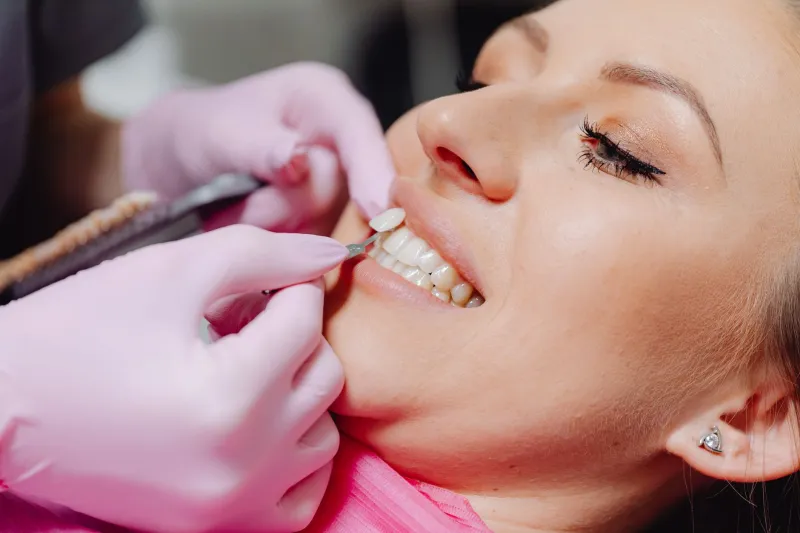
A standard preventive dental visit typically includes a professional cleaning (prophylaxis), a comprehensive or periodic examination, and digital X-rays. In the United States, the average cost of a routine cleaning ranges from $75 to $200, while a full-mouth set of X-rays can add another $100 to $250. For patients with dental insurance, these services are frequently covered at 100 percent under most PPO and HMO plans, meaning the out-of-pocket expense may be zero.
For uninsured patients, the annual cost of two preventive visits — the frequency recommended by most dental professionals — typically falls between $300 and $700, depending on geographic location and the specific services rendered. In cities like New York or Los Angeles, costs trend higher; in smaller markets, they tend to be more modest.
This figure, while not insignificant, becomes dramatically more meaningful when placed alongside the cost of the procedures that preventive visits are designed to prevent.
The Cascade of Costs: From Cavity to Crown
Consider a straightforward scenario: a small cavity forms on a back molar. At a routine checkup, this cavity is detected early and treated with a simple composite filling. The cost? Approximately $150 to $300 for a single-surface restoration.
Now imagine that same cavity goes undetected for 18 months because no dental visit was scheduled. The decay advances through the enamel and into the dentin, eventually reaching the pulp of the tooth. At this stage, a filling is no longer sufficient. The patient now requires a root canal, which typically costs between $700 and $1,500 depending on the tooth involved, followed by a dental crown to protect the treated tooth — an additional $1,000 to $1,800.
Total cost of the delayed scenario: upward of $3,300. Total cost of early detection: under $300. The financial difference is nearly tenfold.
This cascade does not stop at the crown. If the tooth is left untreated even longer, it may become non-restorable, requiring extraction ($150 to $350) and, ideally, replacement with a dental implant — currently the gold standard for missing teeth. A single implant, including the implant post, abutment, and crown, can cost between $3,000 and $5,000 or more. Patients who opt for a fixed bridge instead face costs ranging from $2,500 to $6,000 for a three-unit restoration.
What began as a modest cavity has now potentially cost the patient more than $5,000 — and that estimate does not account for time off work, travel, or the emotional toll of extensive dental treatment.
Gum Disease: The Silent Financial Drain
Periodontal (gum) disease is another condition where early intervention pays enormous dividends. In its earliest stage — gingivitis — gum disease is entirely reversible with a professional cleaning and improved home care. The cost is minimal, and the outcome is excellent.
Left untreated, gingivitis advances to periodontitis, a chronic inflammatory condition that destroys the bone and connective tissue supporting your teeth. Treatment at this stage requires scaling and root planing (a deep cleaning procedure), which typically costs $200 to $400 per quadrant, or $800 to $1,600 for the full mouth. Severe cases may require periodontal surgery, ranging from $500 to $10,000 depending on the extent of the disease and the number of teeth involved.
Beyond the mouth, emerging research continues to draw connections between periodontal disease and systemic conditions including cardiovascular disease, diabetes, and adverse pregnancy outcomes. The health cost of untreated gum disease, in other words, may extend well beyond the oral cavity.
Oral Cancer Screening: The Value of Early Detection
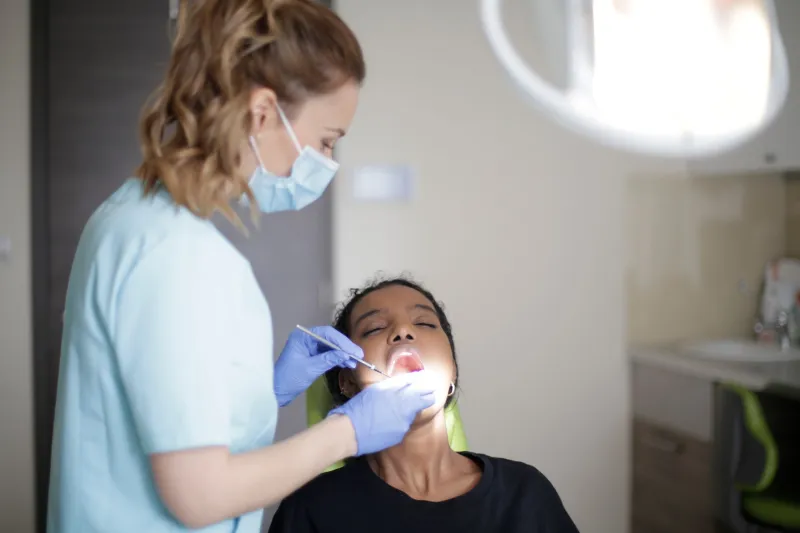
One of the most critical — and frequently overlooked — components of a routine dental visit is the oral cancer screening. During a standard examination, your dentist visually inspects the soft tissues of the mouth, tongue, floor of the mouth, and throat for any suspicious lesions or abnormalities.
Oral cancer affects approximately 54,000 Americans each year, according to the Oral Cancer Foundation. When detected in its earliest stages, the five-year survival rate exceeds 80 percent. When detected late — which occurs in the majority of cases, often because patients have not been seeing a dentist regularly — that rate drops to approximately 40 percent.
The cost of treating early-stage oral cancer is a fraction of what late-stage treatment demands, both financially and physically. A routine screening costs nothing beyond what you already pay for your checkup. The cost of missing it can be immeasurable.
Making Preventive Care Work for Your Budget
For patients without dental insurance, the prospect of regular dental visits can feel financially daunting. However, several practical options can make consistent care more accessible:
- In-house dental membership plans: Many practices, including RAK Dental Clinic, offer annual membership programs that bundle preventive services for a flat monthly or annual fee, often providing significant savings compared to paying per visit.
- Dental schools: Accredited dental school clinics provide supervised care at substantially reduced rates.
- Flexible Spending Accounts (FSAs) and Health Savings Accounts (HSAs): These tax-advantaged accounts can be used to pay for dental care, effectively reducing the cost through pre-tax dollars.
- Payment plans: Many dental offices offer financing options that allow patients to spread the cost of care over time.
The Bottom Line
The mathematics of dental care are unambiguous: consistent preventive visits are among the most cost-effective health investments available to Americans. The short-term expense of a cleaning and examination is dwarfed by the long-term cost of the conditions those visits are designed to detect and prevent.
At RAK Dental Clinic, our commitment to comprehensive, patient-centered care means we take the time to educate every patient about the current state of their oral health and the trajectory it is on. We believe that an informed patient is an empowered patient — and that empowerment begins with showing up.
Do not wait for pain to make the appointment. Your smile, and your bank account, will thank you.